

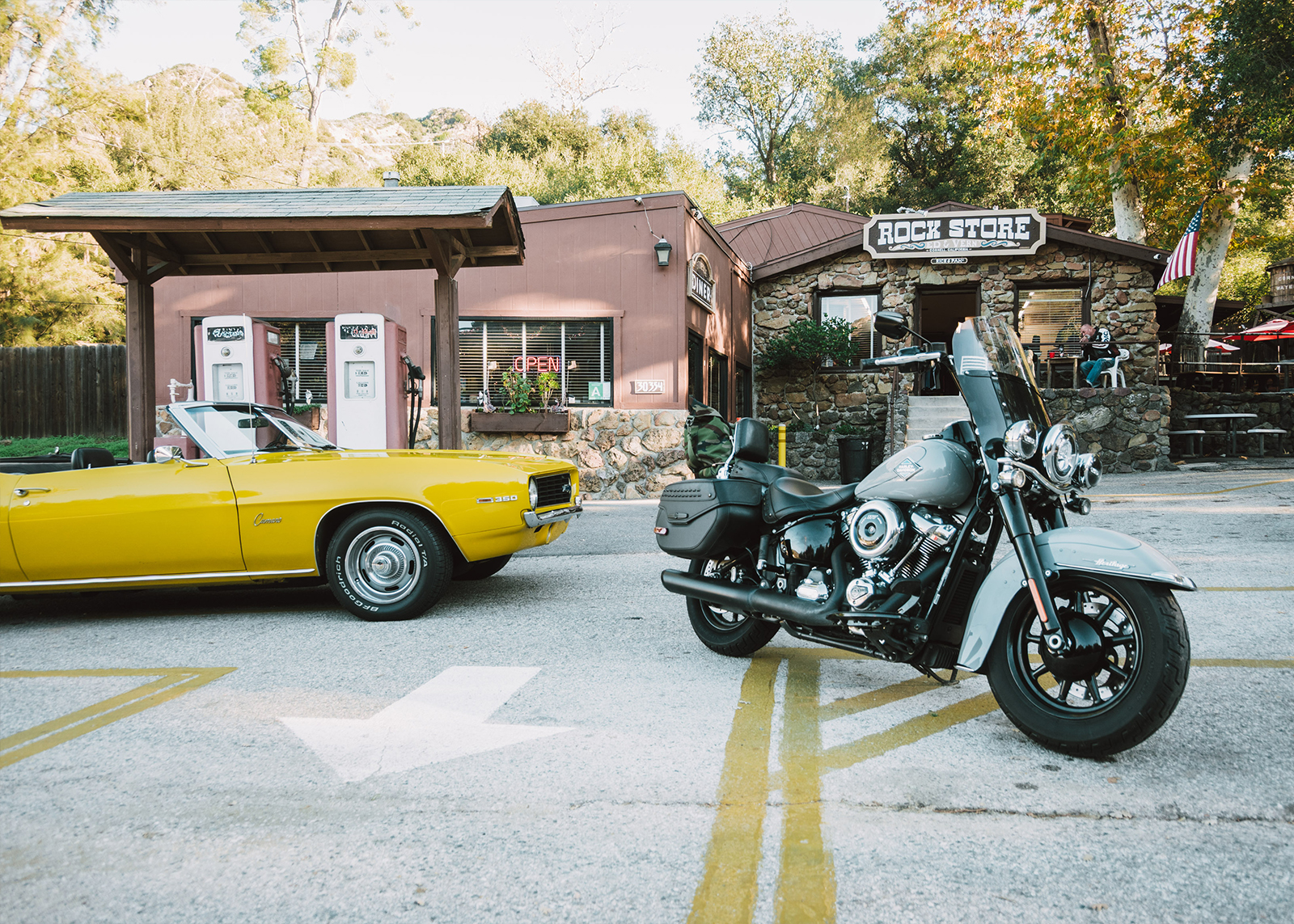
If you’ve bought a used motorcycle, you know how the process actually works. Not the dealership version of it. The real version, where you find a private seller, pull the VIN, look up what comparable bikes sold for recently and show up knowing exactly what you’ll pay before anyone says a word. That process works because you did the homework before you got there. Online vehicle auctions are the same deal, just with four wheels and a lot more inventory.
The mechanics are different but the discipline isn’t. Know what you’re looking at. Know what it’s worth. Have your number set before the bidding starts. Buyers who skip any one of those tend to find out why it mattered right around the time they’re wiring a deposit.
What You’re Actually Bidding On
 Credit: iStock
A salvage title gets treated like a warning label, and sometimes it deserves that. But not always, and the difference between the two situations is the whole ballgame. When an insurer totals a vehicle, that’s a financial decision. Repair estimates that cross a certain threshold of the car’s market value trigger a write-off, and the vehicle gets a salvage brand on its title regardless of what the damage actually looks like on the ground.
A car can have a salvage title because someone stole it and left it in a parking lot three weeks later. Or because a hailstorm worked over every panel while it sat in a driveway. Or because a fender bender on a low-value vehicle pushed the math past the threshold. Same title, very different situations.
Flood damage is where you slow down and read everything twice. Water that gets into electrical systems or soaks the interior can show up as problems months later, and auction photos don’t always tell the full story on that one.
What the Condition Report Is Telling You
 Credit: Artem Podrez
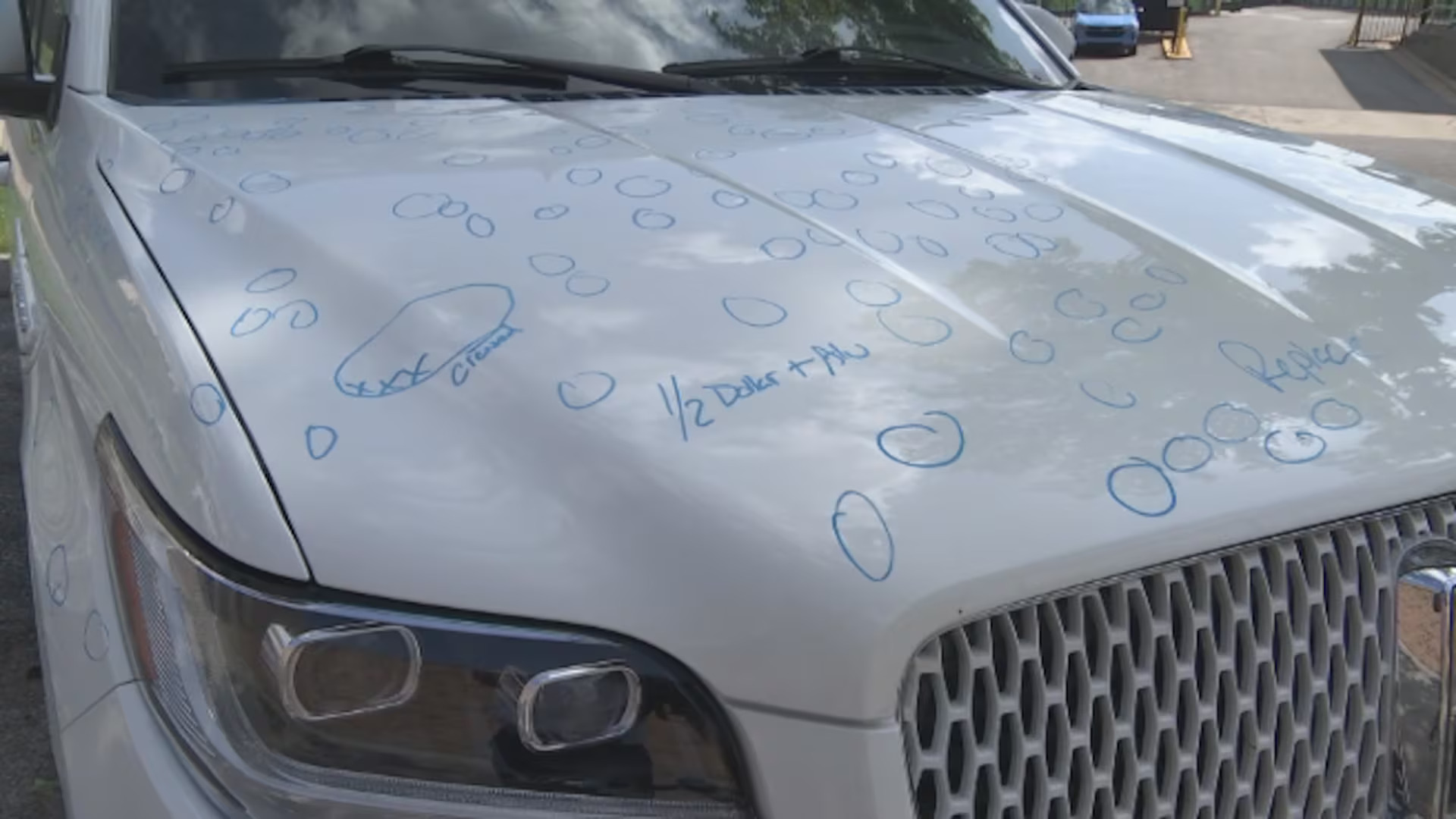
Hail is worth understanding on its own because it comes up a lot and buyers react to it wrong. The photos of a hail damaged car look rough. Dozens of dents across the hood, roof and trunk photograph dramatically, and a lot of buyers scroll past without looking closer. But if the glass survived and the damage is sheet metal only, the drivetrain is almost certainly fine.
A hail damage car in that category is often one of the better value plays in the salvage market, because the same cosmetic damage that made the insurance company write it off has nothing to do with how it runs. Some buyers live with the dents. Others get paintless dent repair done for far less than a traditional body shop would charge.
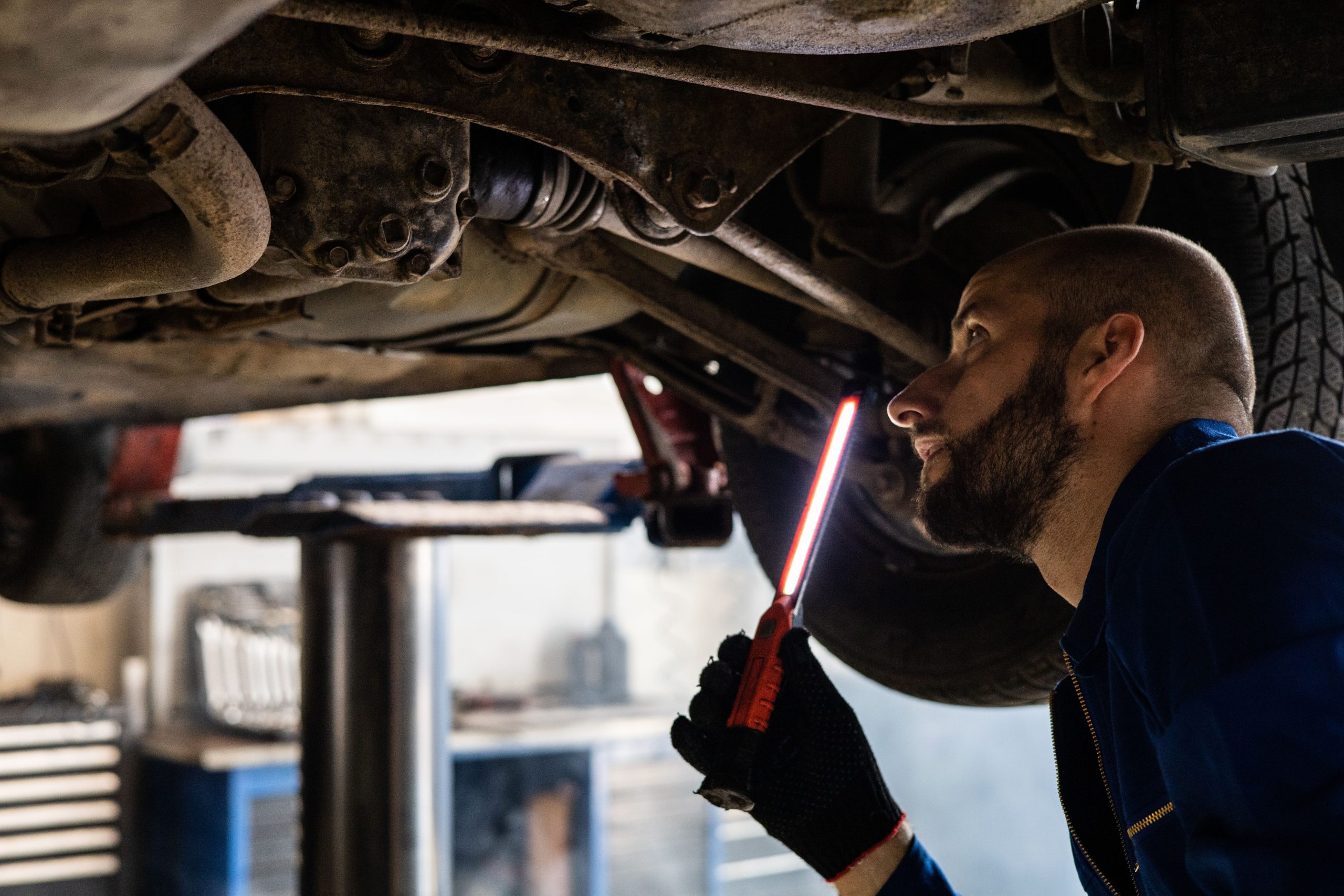
Condition reports on auction listings spell a lot of this out if you read them rather than skim them. The terminology matters. Run and drive means something different than not started, and enhanced vehicle means something different again. More useful than the summary is which components were actually inspected and which weren’t. A report that covers the engine and transmission but goes quiet on the electrical system isn’t necessarily hiding anything, but it’s telling you where you’re taking on uncertainty.
Go through the photos the same way. Frame by frame, not a quick scroll. Panel gaps and undercarriage shots and anything showing the structural areas near the impact zone. The information is usually in there.
Building a Number Before You Bid
 Credit: Tima Miroshnicher
First-time auction buyers almost always underestimate what the vehicle is actually going to cost them, and it’s not because the bid price is hidden. It’s because the bid price is just the beginning.
Transport from the sale location adds to the total, sometimes a lot depending on distance. If the vehicle is somewhere you can’t reach for an inspection, paying a local mechanic near the auction site to look at it is worth the cost. Repair estimates belong in your spreadsheet before the auction opens, not after you’ve won. Then there’s the title process, which varies more than people expect.
Some states handle rebuilt title registration simply. Others want a certified inspection, documentation from whoever did the repairs, or they make you wait before the vehicle is legally roadworthy. If you’re in one of the states with a more involved process and you didn’t account for it, the timeline on your project just got longer.
The Mistake That Costs First-Time Buyers the Most
 Credit: KCTV5
It isn’t buying a vehicle with more damage than expected. That happens, but it’s not the most common way people overpay. The more common version is going into an auction without a hard ceiling and letting the competitive dynamic do the rest. Prices move quickly, other bidders are real, and it’s easy to convince yourself that one more increment still makes sense. By the time the auction closes you’ve paid more than the math supports and the deal that looked good at the start doesn’t anymore.
Pull comparable clean-title listings before you bid. Know what the vehicle is worth repaired. Set a maximum all-in number and work backward to a maximum bid that leaves room for transport and registration. When you hit it, stop. If you haven’t watched a few auctions without bidding first, do that before you put any money down. Watching how prices move on specific vehicle types is preparation you can’t get any other way.
How to Bid Smart and Walk Away When You Have To
 Credit: Pexels
It isn’t buying a vehicle with more damage than expected. That happens, but it’s not the most common way people overpay. The more common version is going into an auction without a hard ceiling and letting the competitive dynamic do the rest. Prices move quickly, other bidders are real, and it’s easy to convince yourself that one more increment still makes sense. By the time the auction closes you’ve paid more than the math supports and the deal that looked good at the start doesn’t anymore.
Pull comparable clean-title listings before you bid. Know what the vehicle is worth repaired. Set a maximum all-in number and work backward to a maximum bid that leaves room for transport and registration. When you hit it, stop. If you haven’t watched a few auctions without bidding first, do that before you put any money down. Watching how prices move on specific vehicle types is preparation you can’t get any other way.
How to Bid Smart and Walk Away When You Have To
The buyers who consistently do well at this aren’t the ones winning every auction. They’re the ones who passed on four deals that stopped making sense and got a good one on the fifth. Anyone who’s spent time buying and selling bikes already understands that version of patience.
The right vehicle at a price that actually makes sense doesn’t show up on schedule. You watch, you wait, you know what you want and what you’ll pay for it, and eventually the right one comes up. Same thing here. Set your number, read the listing and when the bid gets past what works for you, let it go. Another one comes up every week.