

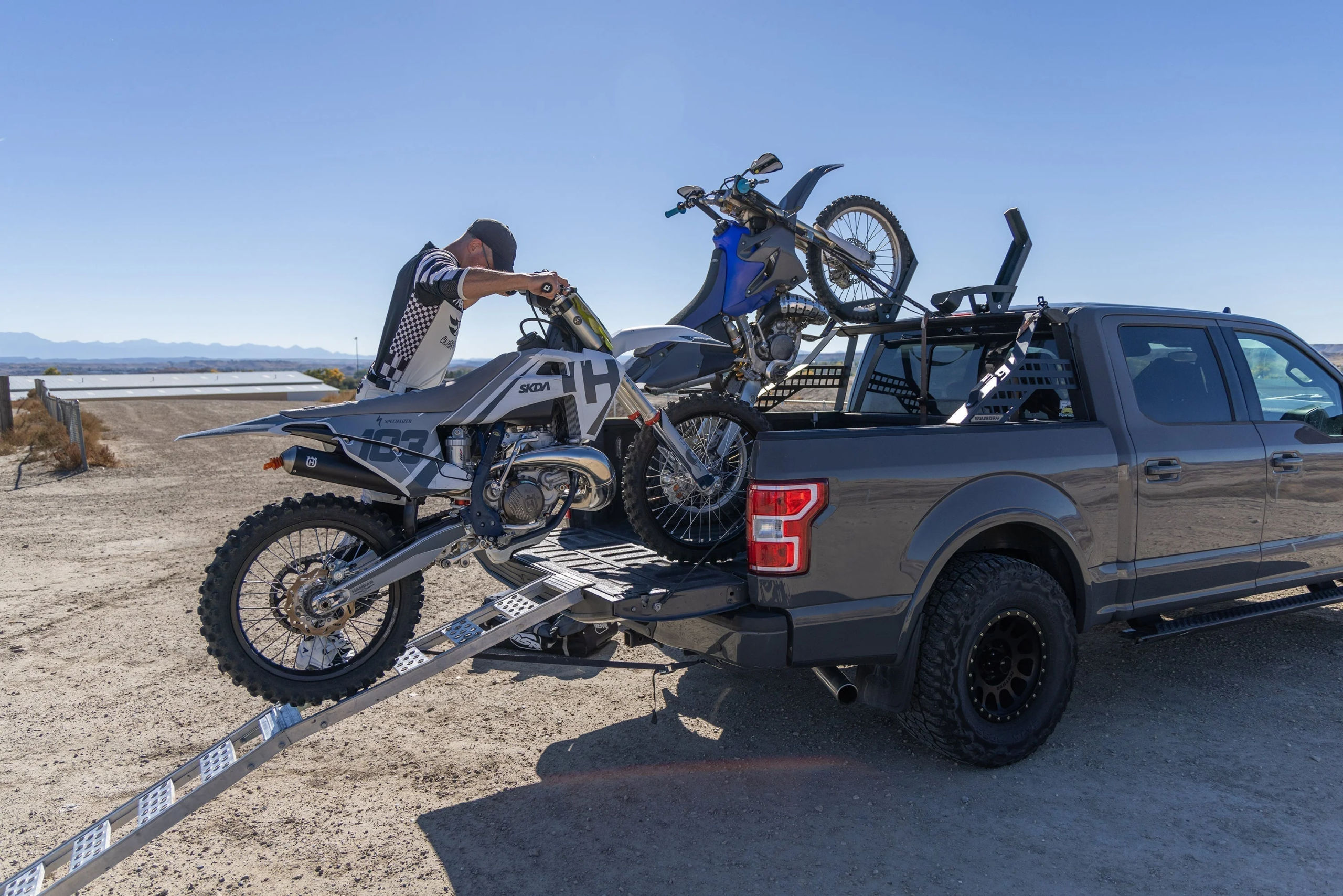
Truck owners are a practical group by nature. They buy pickups because they actually need them, and they tend to be less precious about cosmetic stuff than the average car owner. Which makes it a little ironic that the truck bed, the part of the vehicle that does most of the actual work, is usually the last thing to get any protection. The logic is that the bed is built to take it. And that’s true, to a point. But “built to take it” doesn’t mean “won’t rust, won’t scratch and won’t cost you money at trade-in.” A truck bed mat is a straightforward solution to a problem most owners don’t think about until it’s already too late to fully fix.
What Happens to an Unprotected Bed
 Credit: r/MechanicAdvice
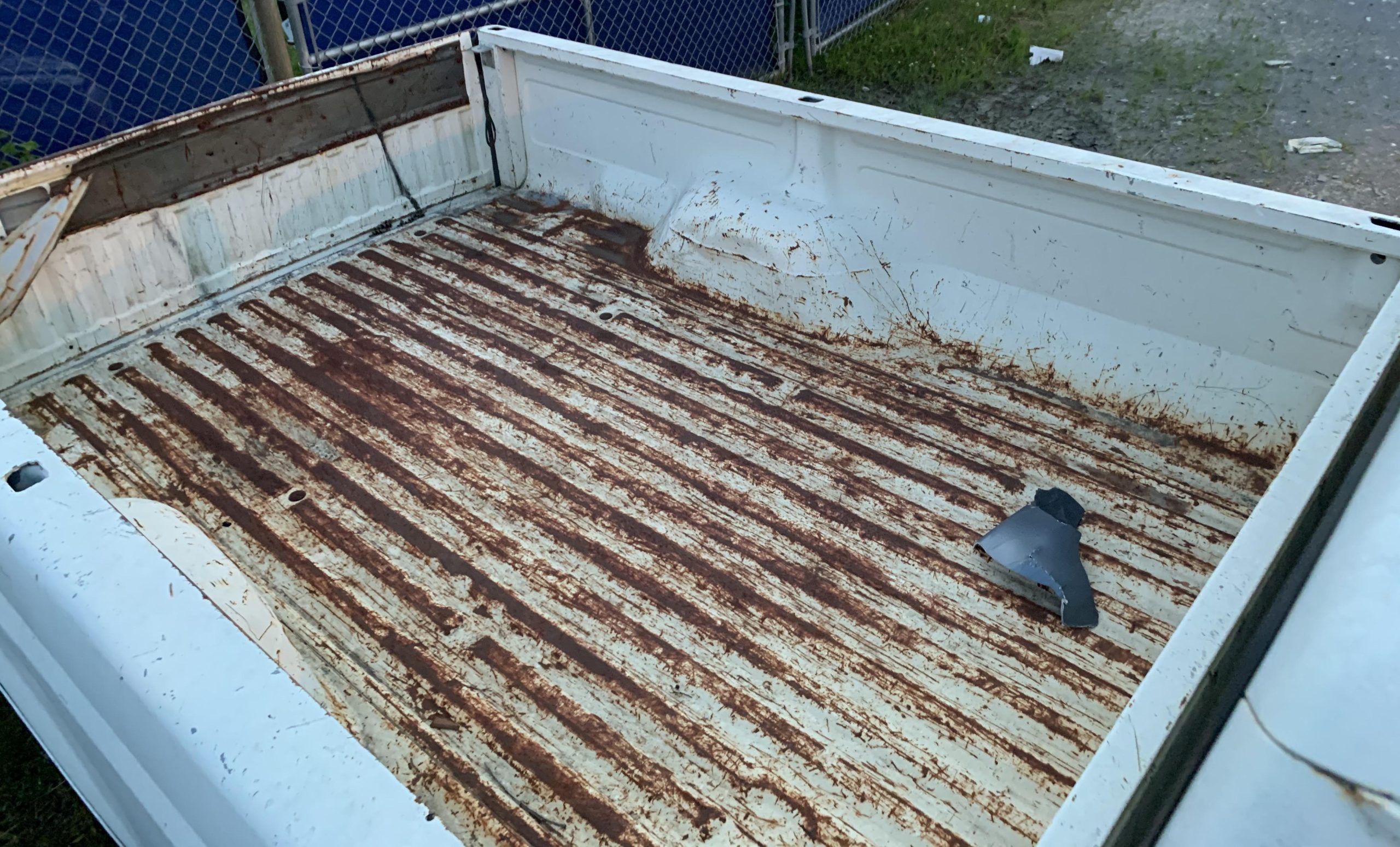
The damage tends to sneak up on you. It’s not usually one catastrophic haul that wrecks the bed. It’s a bag of mulch here, a sliding toolbox there, a bike rack that shifts during braking. Each load leaves a little something behind, and the scratches and chips accumulate in a way that’s easy to ignore until you actually look. The factory coating in a truck bed is more durable than standard paint, but it’s not impervious. Once it’s broken through, exposed steel starts to rust, and rust doesn’t stay in one place. Kelley Blue Book is pretty direct on the point: bed condition affects resale value, with a protected bed potentially worth $50 to $400 more at trade-in depending on the truck. For something that costs under $100 in many cases, the argument for protecting it early is pretty easy to make.
Why a Truck Bed Mat Is the Right Starting Point
 Credit: r/Toyota Tacoma
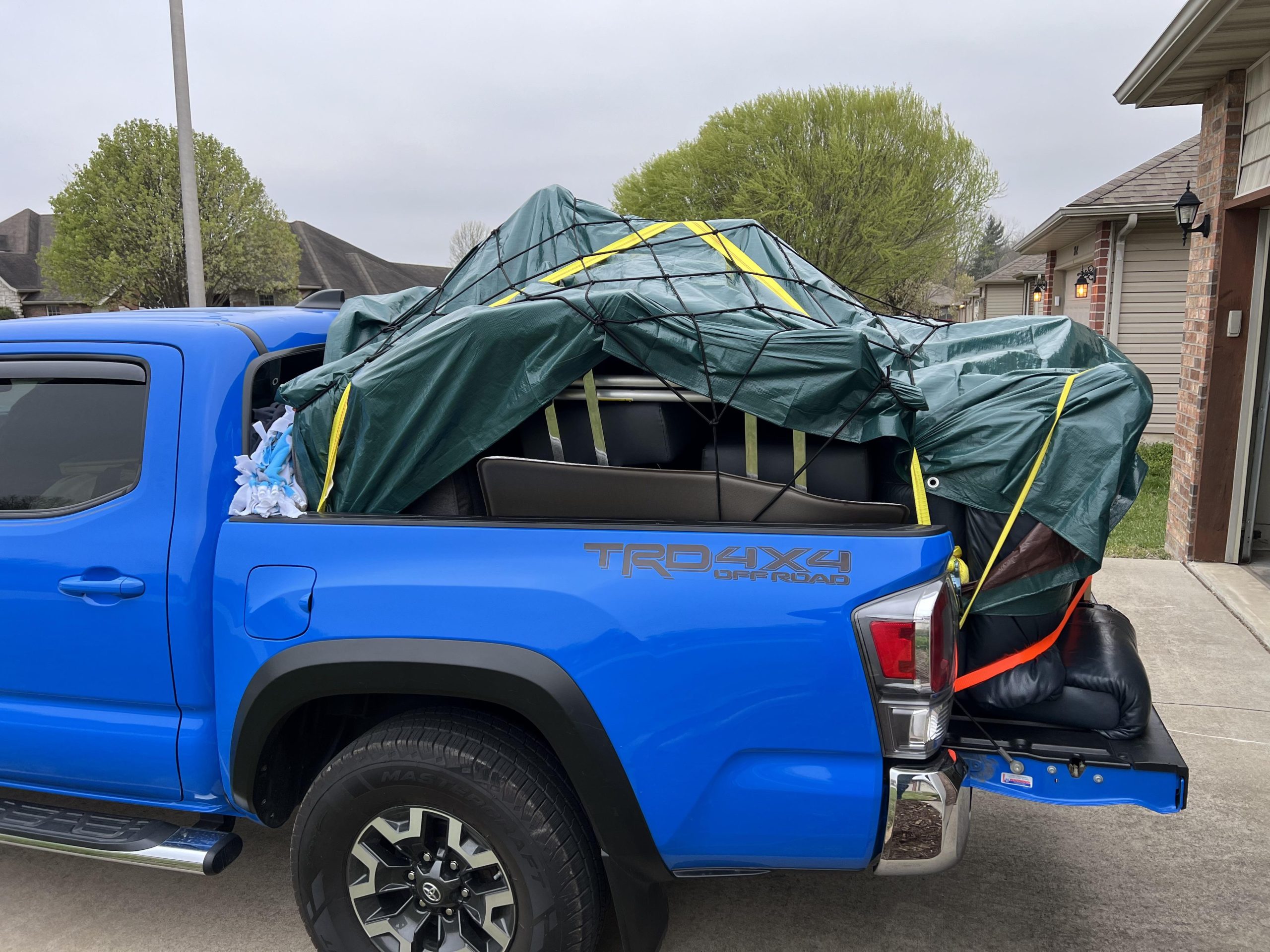
There’s a whole spectrum of bed protection options, and the more expensive ones get a lot of attention. Spray-on liners are popular, drop-in plastic shells have their fans, carpeted systems exist for people who need that kind of thing. But a truck bed mat is where most owners should probably start, and a lot of them never need to go further. A quality mat covers the bed floor, cushions cargo so it doesn’t bounce around and damage itself or the truck, and rinses off in a couple of minutes when things get dirty. It doesn’t bond permanently to the factory finish the way a spray-on does, which matters for resale and warranty reasons. And it gives you a softer surface than a hard plastic shell, which is actually important if you’re ever hauling furniture, bikes or anything else with a surface you’d rather not scratch.
Custom Fit vs. Universal: It Makes a Real Difference
 Credit: Ford
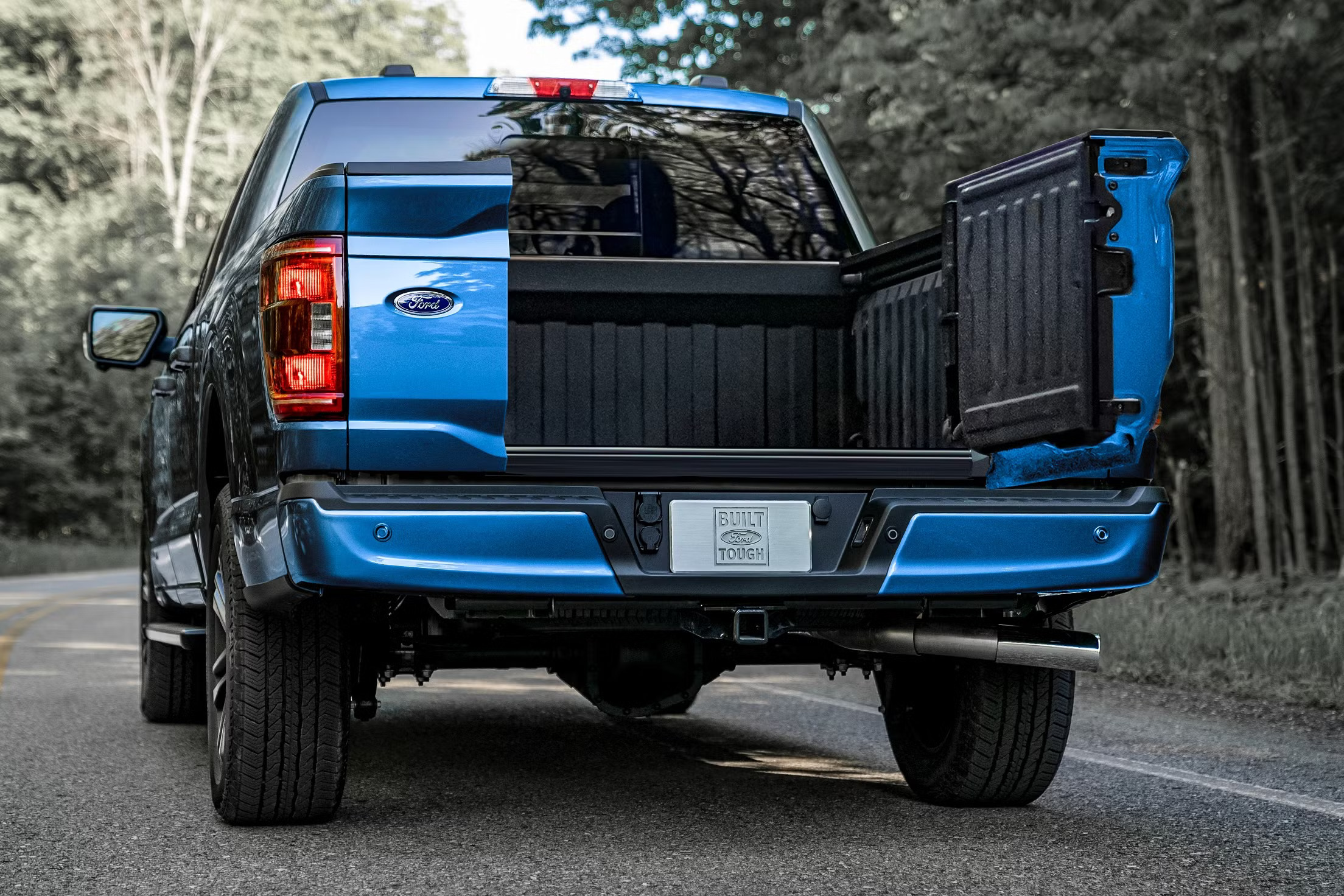
A universal mat might seem like the sensible budget option, but it tends to create problems that offset the savings. Mats that don’t fit the specific dimensions of your bed shift around under load, leave gaps at the edges where moisture can pool and sometimes trap water against the bed floor, which is exactly the opposite of what you bought it for. A mat engineered for your specific truck make, model and bed length sits flat, stays put without adhesive or fasteners and covers the floor edge to edge with no exposed perimeter. That last part matters more than it sounds. Surface rust typically starts at the edges, where paint is thinnest and damage accumulates first. Good coverage there is what actually keeps the bed in usable condition over time. The price gap between a decent custom-fit mat and a generic one usually isn’t dramatic enough to justify the tradeoff.
Maintenance and Long-Term Value
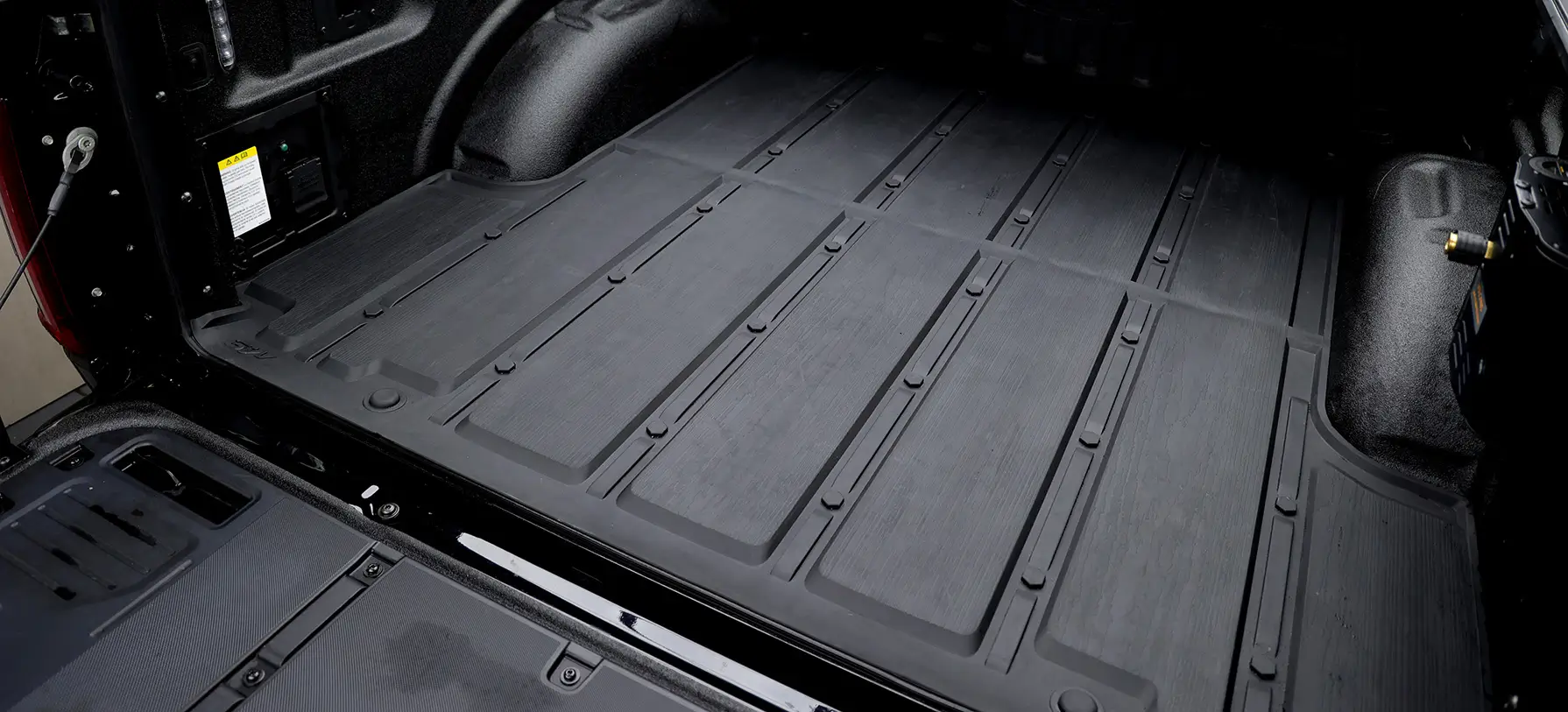
One of the underrated things about rubber and TPE mats is how little upkeep they need. Hose them down, let them dry, drop them back in. That’s the whole routine. Carpet liners soak up spills and start to smell. Hard shells can trap debris underneath and are annoying to remove. A rubber or TPE mat can be out of the truck and clean in five minutes, which means you’ll actually do it rather than letting things build up. Over time, that matters for the bed underneath. A mat that gets cleaned regularly sits clean against the bed floor, and the metal underneath stays in better shape because of it. That shows up at trade-in, and it also just makes the truck more functional to work out of day to day.
Conclusion
Protecting a truck bed is one of those things that’s obviously worth doing once you’ve thought about it for five minutes, but easy to skip because nothing bad has happened yet. A mat is inexpensive, takes no time to install and protects against a type of damage that’s slow to show up but difficult to fully reverse. Whether the truck is a work vehicle or a weekend hauler, that protection is worth having from the start.