

So you’ve narrowed it down to Yamaha’s 321cc twins and now you’re stuck trying to figure out which one to actually buy. We get it because on paper these bikes are basically identical with the same engine, frame and suspension and everything else that matters mechanically. But here’s what nobody tells you until after you’ve already bought one: the R3 with its full fairings and sport bars feels like a completely different motorcycle than the MT-03 with its naked streetfighter setup and upright bars. We’re talking a night and day difference in how they actually ride.
This matters more than you think because when you want to spend four or five grand on a used bike. You really don’t want to realize a month later that you picked the wrong one and now your back hurts every time you commute or the highway wind is beating you up so bad you’re taking side roads to avoid it. In this article, we break down how these bikes actually feel when you’re riding them based on what real owners say and what reviewers found when they put serious miles on both. The spec sheets don’t tell you nearly enough about which one’s going to work for the riding you actually do.
Yamaha R3: The Sport Bike for Beginners Who Want Performance
 Credit: Diariomotor
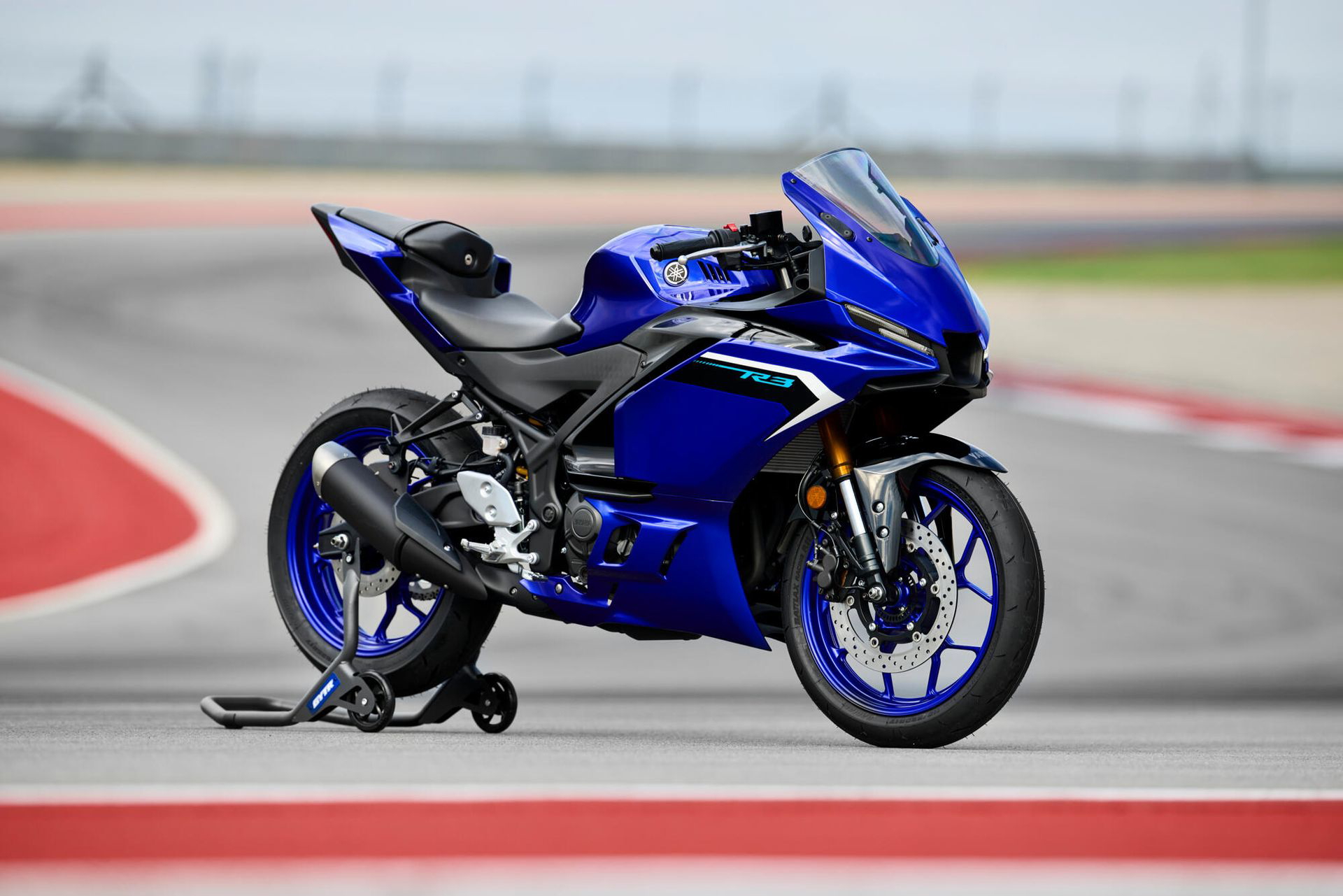
The R3 looks the part because Yamaha borrowed the styling from their R6 Supersport, so you get that aggressive, fully-faired look without the terrifying power that usually comes with it, and yeah you’re leaned forward a bit but your wrists aren’t screaming at you after fifteen minutes like they would on a full-on race bike. The fairings actually do something useful because when you get this thing up to highway speed the wind isn’t trying to rip your head off the way it does on a naked bike, and when Evo India took one to the track they clocked 102 mph which you’re probably never going to hit on public roads but it tells you the bike’s got breathing room at normal highway speeds.
 Credit: Motos Cortes
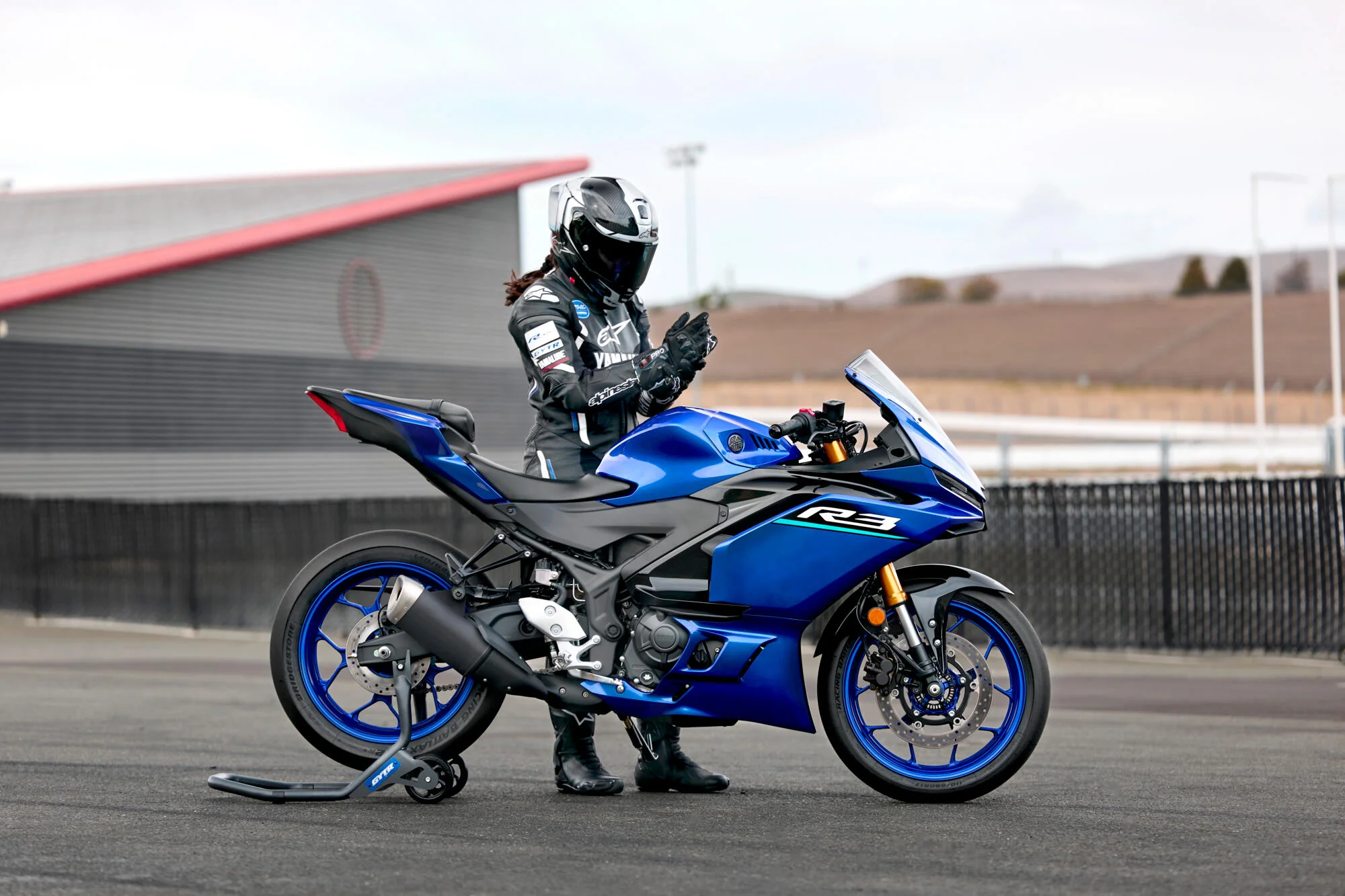
One thing people don’t talk about enough is the R3’s got way better mirrors than the MT-03, and if you check any thread on R3 Forums, riders mention it constantly because you can actually see what’s behind you at night instead of just your own elbows. Plus, the mirrors fold in for lane splitting where that’s legal. What surprises most riders when they throw a leg over an R3 is how the riding position just feels right. You’ll read people on the forums calling it the “perfect middle ground,” which honestly nails it because you’re tucked in enough to properly weight the front end through corners but not so cramped that your commute turns into a chiropractor appointment.
The bike really shows what it can do on twisty backroads, where you get that planted confidence that makes you want to carry a little more speed into the next turn. So if weekend canyon runs or highway cruising is your thing, then the R3’s going to make way more sense than the naked bike.
Buying Used: What Every Yamaha Buyer Should Verify First
 Credit: 3 Guys Locksmith
Both these bikes are very popular with beginners, which is great because you’ve got plenty of options on the used market. However, it also means many of these bikes have been dropped or significantly damaged and some have even been totaled and pieced back together. So here’s what you do before handing anyone money: get the VIN and run a yamaha vin lookup to see what you’re really buying. It takes a few minutes to find out if the bike’s got a salvage title or been wrecked or if someone’s messed with the odometer or if there’s still a loan on it. Spending a few dollars on that check can save you from making a four-thousand-dollar mistake.
Common Issues to Watch for on Used R3s and MT-03s
Dropped bikes are everywhere with these models because that’s just reality when a bike is this popular with new riders. And the problem with the R3 is that those fairings hide damage really well, so the frame could be tweaked and you wouldn’t know until you’re riding at speed and something feels off. The MT-03’s naked so at least you can see if the frame’s scraped up, but replacement parts for that exposed stuff get pricey.
 Credit: Norton Motorsport
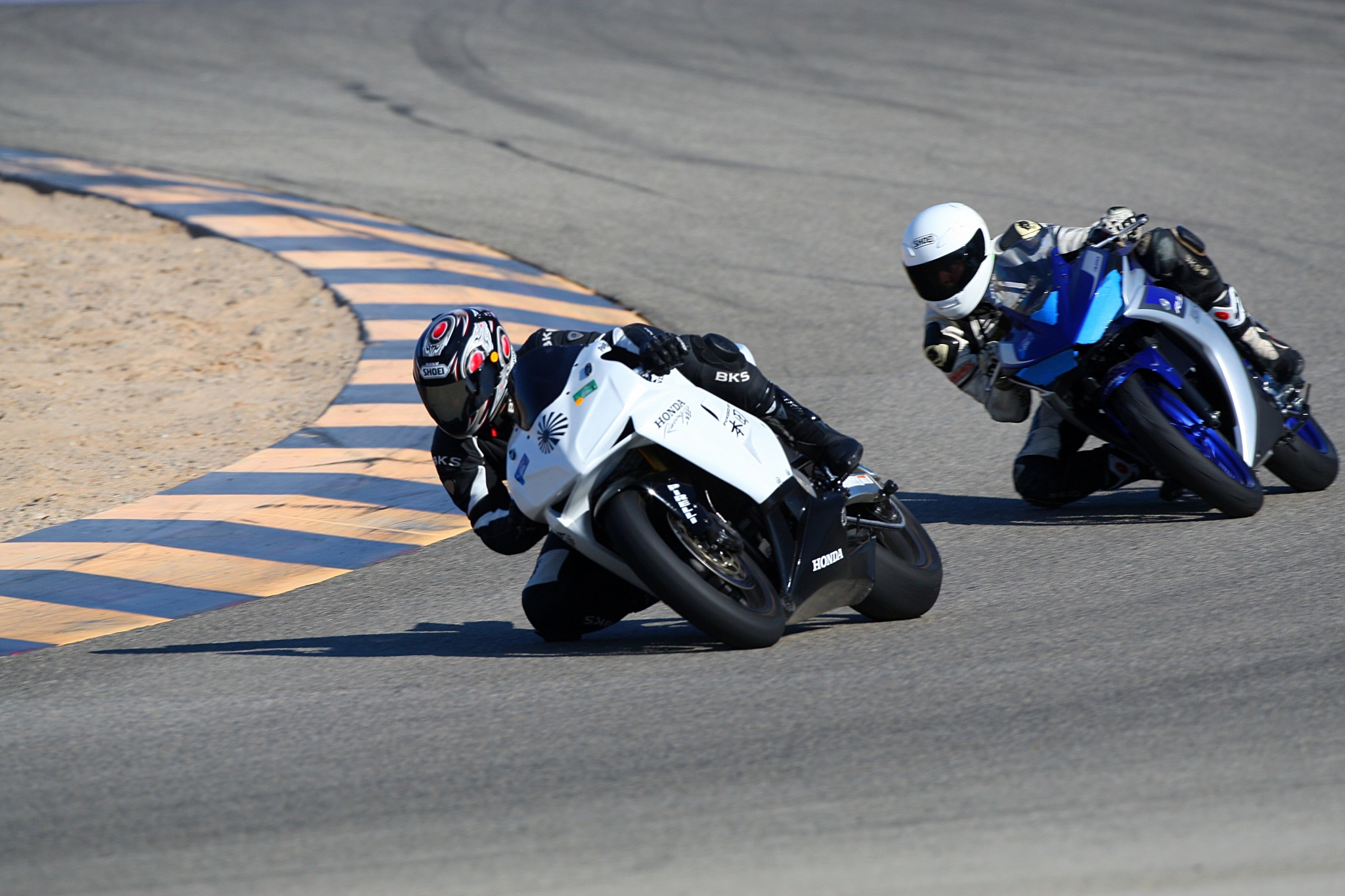
Track bikes are another thing to watch for since the R3’s really popular at track days and racing schools. This typically means those bikes have been pushed harder than the odometer suggests and you should check for aftermarket rearsets or frame sliders or zip-tied fairings. if the tires have zero chicken strips left then that bike’s seen serious action. People roll back odometers more than you’d think, and a good VIN check pulls DMV records and service history so if the dash says 8,000 miles but service records show a 12,000-mile oil change then you just caught them lying.
Then there’s title washing where someone totals a bike in one state and moves it to another state with looser rules and gets it re-titled as clean, and suddenly a salvage bike is selling for clean title money, but a real background check shows you title history across every state. If someone won’t give you the VIN to check before you buy then just walk because that tells you everything.
Yamaha MT-03: The Naked Bike for Urban Riding and Daily Comfort
 Credit: Delcar
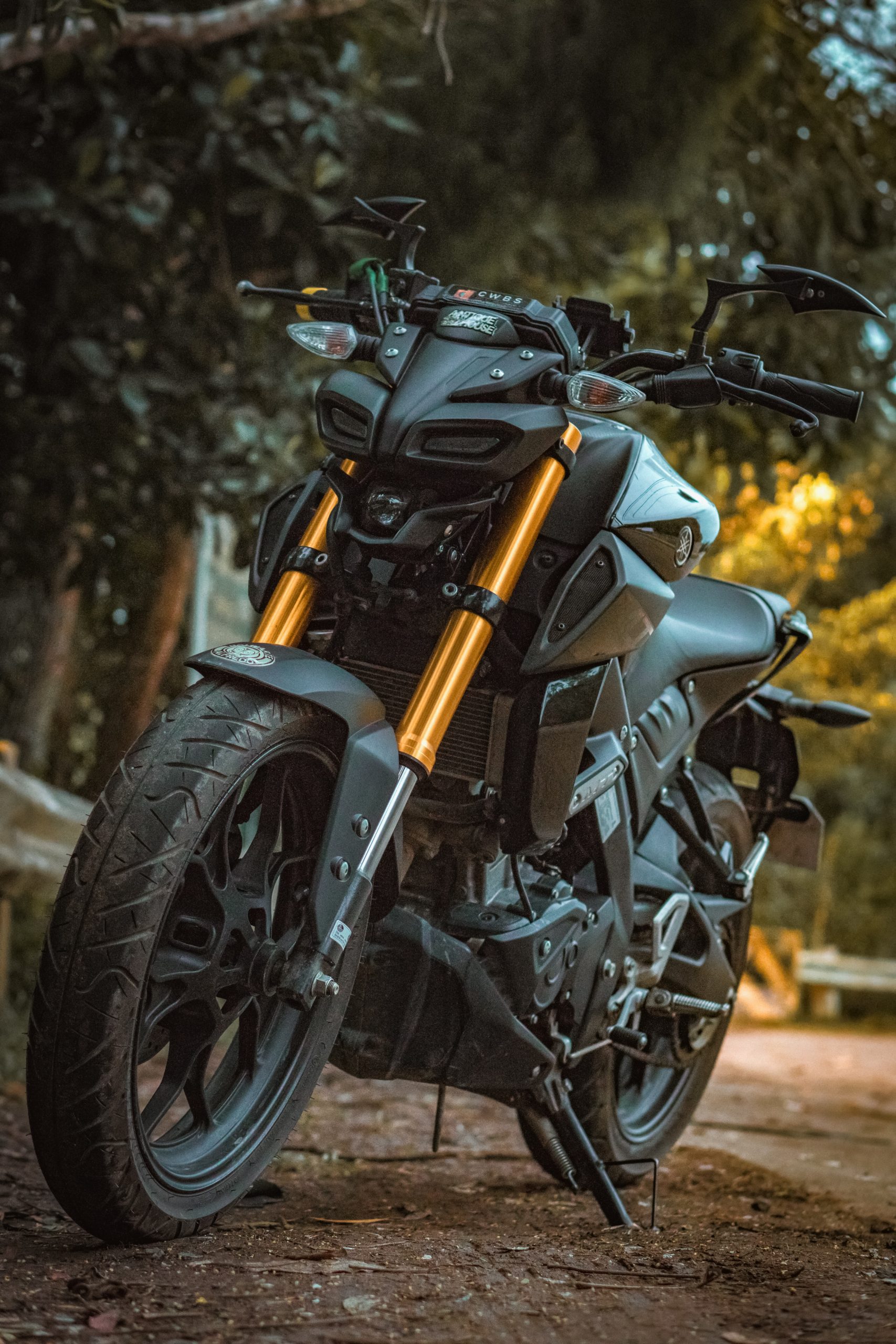
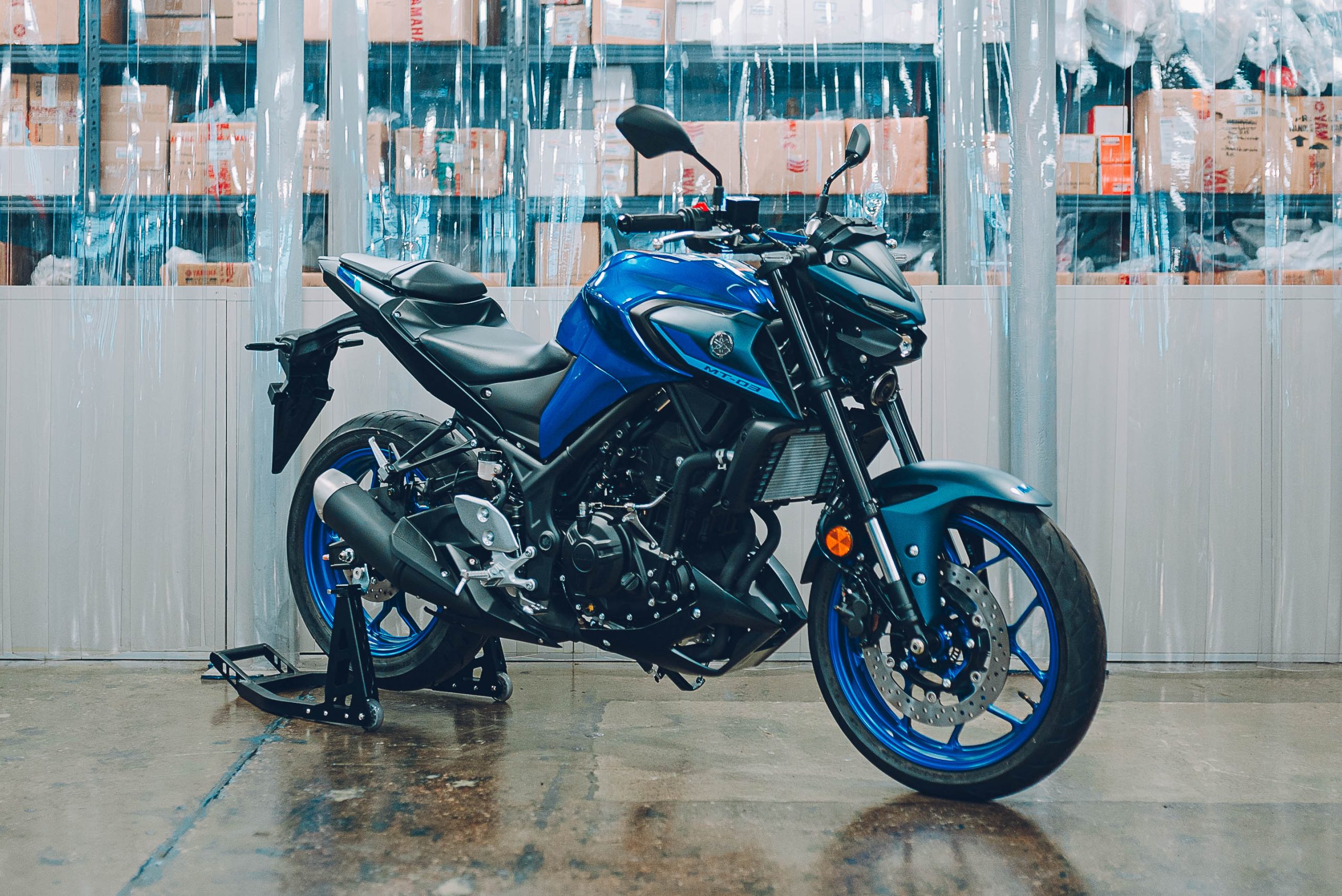
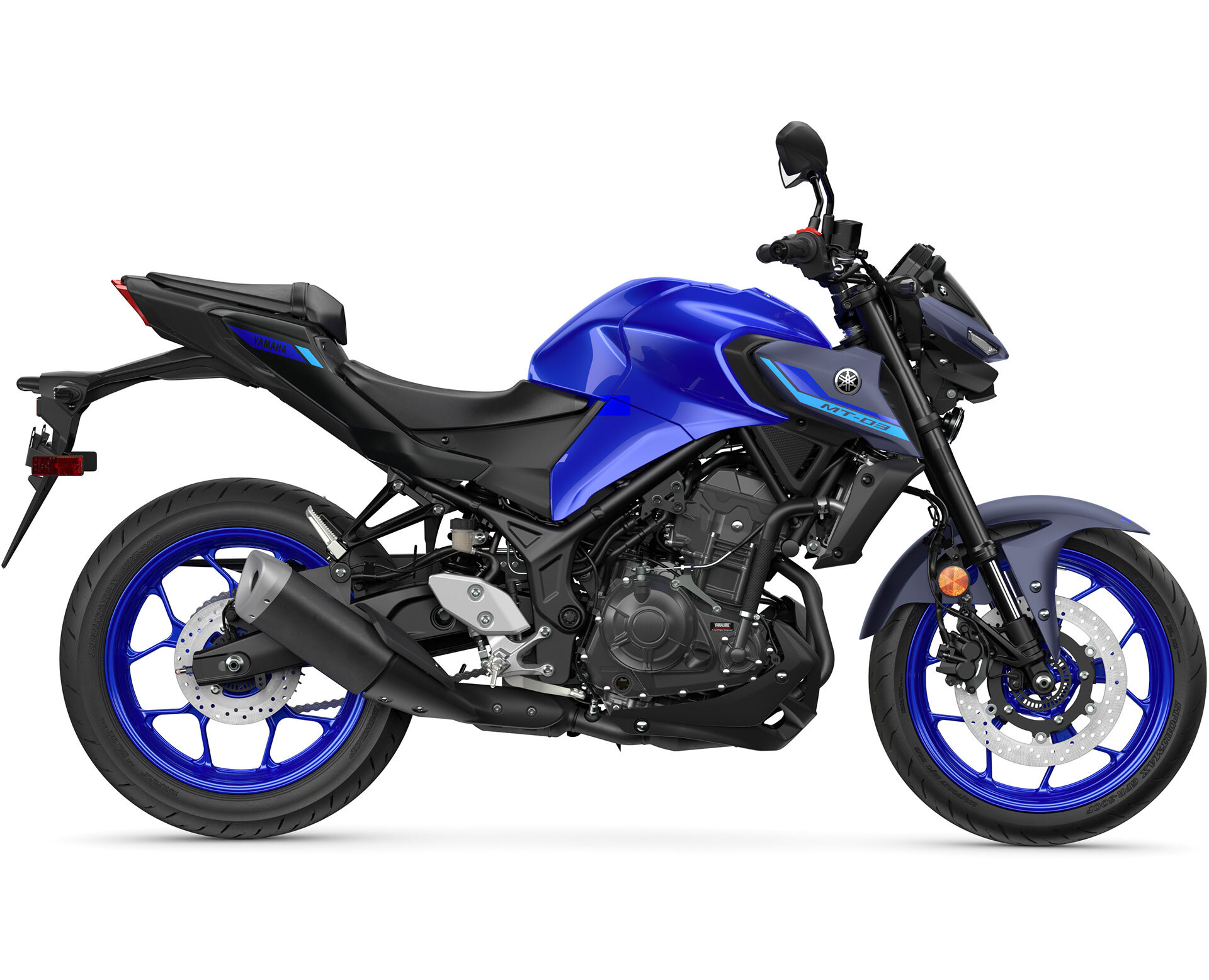
The MT-03 goes the opposite direction by stripping off all the bodywork and raising the bars up about 39mm and pulling them back 19mm according to Cycle Canada’s measurements. What you end up with is a bike that feels built for city riding because your wrists and back and neck just feel better after an hour of stop-and-go traffic compared to the R3. That streetfighter styling they borrowed from the MT-15 looks mean with the tiny LED headlight and sharp lines making it look like it wants to pick a fight. The wide flat bars make parking lots and U-turns easy, so if you’re doing a lot of city commuting or filtering through traffic, the MT-03 just works better.
You’ll get slightly better gas mileage too, with BikeDekho users reporting the MT-03 averaging about 26.31 km/l versus 25 km/l on the R3 which isn’t huge but adds up over thousands of miles. Plus that relaxed riding position means you’re not fighting wind the whole time which makes you way less tired at the end of a long day riding around town.
 Credit: Yamaha Motor
But here’s where it falls short: highway riding is terrible on this model because zero wind protection means anything over 60 mph starts getting old fast. And if you try doing 70 mph for an hour you’ll be exhausted by the end. Chase on Two Wheels compared both bikes in his YouTube review and pointed out the MT-03 feels way more twitchy at speed compared to how stable and planted the R3 feels. Also those wide bars help you flick into corners quicker but mid-corner it doesn’t feel as confident.
Check the R3 Forums and most people agree the MT-03 is perfect if you’re doing mostly city stuff and errands and weekend rides that stay under 60 mph, but just make sure you actually sit on both bikes before deciding because what works for one person might not work for you.
R3 vs MT-03: Side-by-Side Comparison
| Specification | Yamaha R3 | Yamaha MT-03 |
| Engine | 321cc parallel-twin, DOHC | 321cc parallel-twin, DOHC |
| Power | 42 PS @ 10,750 rpm | 42 PS @ 10,750 rpm |
| Torque | 29.5 Nm @ 9,000 rpm | 29.5 Nm @ 9,000 rpm |
| Seat Height | 780mm (30.7 inches) | 780mm (30.7 inches) |
| Fuel Capacity | 14 liters | 14 liters |
| Mileage (claimed) | ~25 km/l | ~26.31 km/l |
| Top Speed | ~165 km/h (102 mph) | ~160 km/h (99 mph) |
| Avg. Used Price | $4,000-$5,500 USD | $3,800-$5,200 USD |
| Riding Position | Sport-forward, semi-aggressive | Upright, streetfighter |
| Wind Protection | Full fairing | None (naked) |
| Best For | Highway riding, track days, sporty look | City commuting, comfort, daily riding |
| Use Rating | 4.4/5 (BikeDekho) | 4.6/5 (BikeDekho) |
The Bottom Line
Both the R3 and MT-03 have the same great 321cc engine that’s smooth and predictable and perfect for learning on, so the whole decision just comes down to what kind of riding you’re going to do most of the time. Get the R3 if you’re doing highway commutes or want to try track days eventually or you just like how sportbikes look. Or, get the MT-03 if you’re mostly riding around town and sitting in traffic or you prefer that upright naked bike feel where you can see over cars better.
In either case, run that VIN check before buying used, because both of these are awesome beginner bikes but only if you’re getting one with a clean history and the real mileage instead of some salvage title nightmare that’s been pieced back together in someone’s garage.