
Riders already think about risk differently than most drivers do. When you’re on a bike, you assume other people might not see you, and you ride accordingly. That same skepticism is actually pretty useful behind the wheel of a car. Because the reality is that other drivers don’t always tell the truth after an accident, and without some kind of evidence, your account of what happened carries exactly as much weight as theirs. A front-facing dash cam doesn’t make you a safer driver. It just means that when something happens, you have proof. And in a world where staged accidents and disputed claims are increasingly common, that proof can be worth a lot more than the camera cost you.
Staged Accidents Are a Real and Growing Problem
 Credit: Adobe Stock
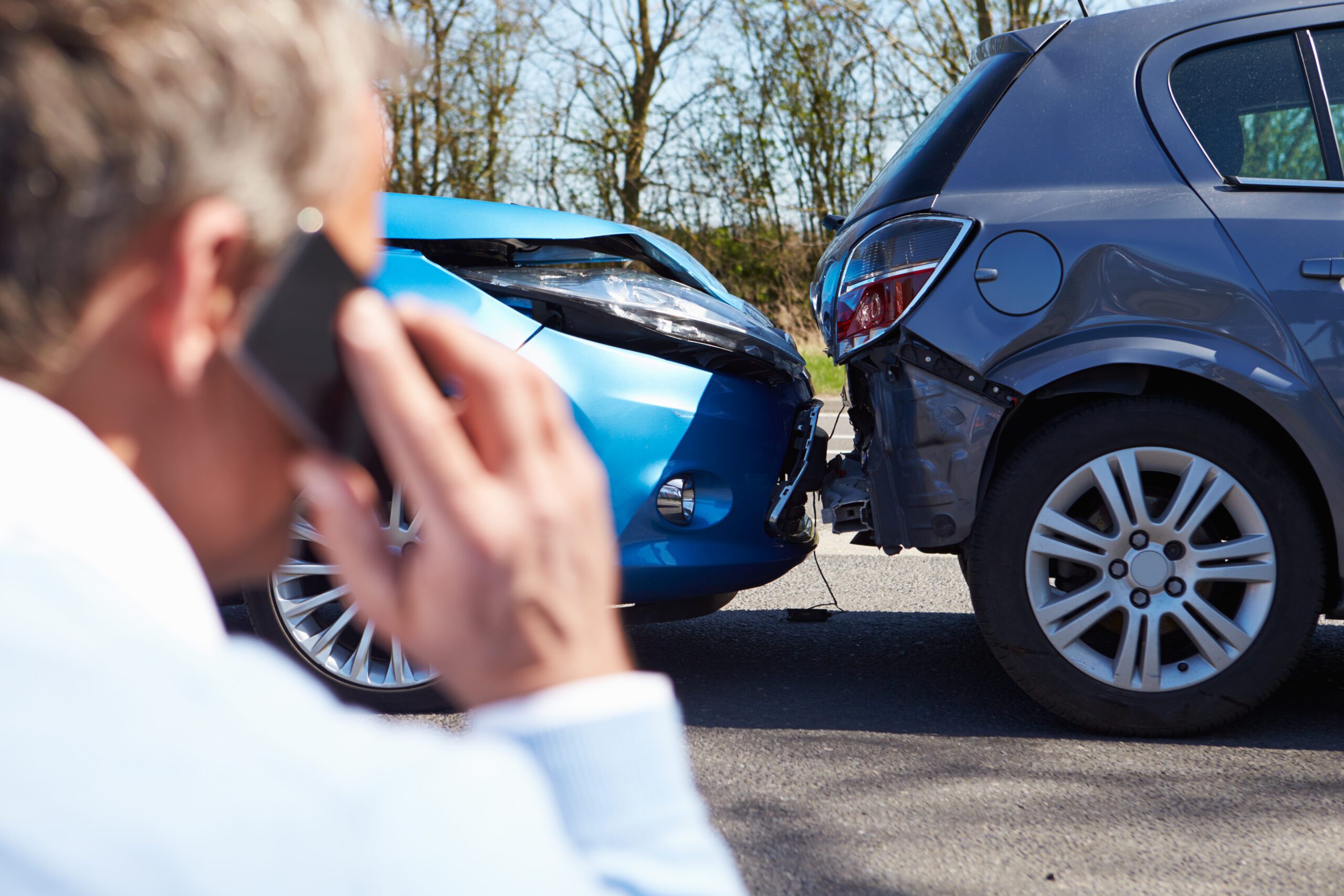
It sounds like the kind of thing that happens to other people, but staged collisions are a documented and organized form of fraud that costs American drivers real money. Insurance industry data points to FBI figures suggesting non-healthcare insurance fraud runs about $40 billion a year in the US, and auto fraud is a significant piece of that. The mechanics of it are straightforward. Someone cuts in front of you and hits the brakes hard. You rear-end them. In most states, the person who rear-ends another vehicle is presumed at fault, full stop, regardless of what caused the collision.
The other driver claims injuries. You’re suddenly dealing with a claim that could raise your premiums for years. Without footage it’s very hard to fight. With footage, the whole scheme usually falls apart immediately. A 2024 report cited by multiple insurers found that dash cam footage leads to claims settling about 35% faster, and an AAA study found dash cam users are around 40% more likely to have disputes go in their favor.
What a Front Camera for Your Car Actually Covers
 Credit: Crystal Ball
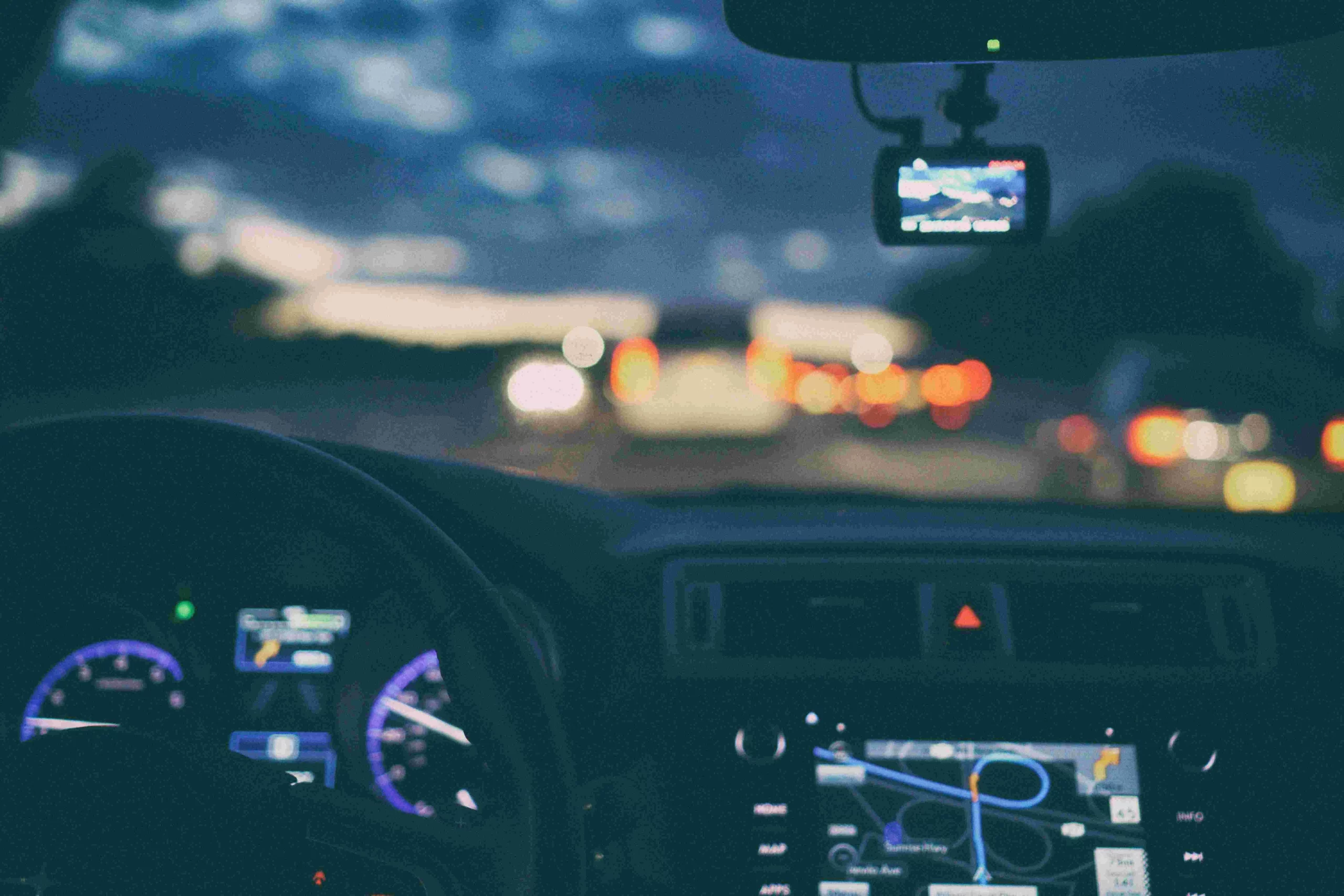
A front camera for cars handles the collision scenarios that come up most in insurance disputes: rear-end hits, intersection disagreements and lane-change incidents. It runs in the background every time you drive, recording what’s in front of you continuously. License plates, signal timing, the behavior of other drivers. If something happens, the footage is there.
If nothing happens, the camera just quietly records over old footage and you never think about it. For most drivers, a single front unit is a perfectly sensible place to start. It covers the highest-risk scenarios without the added cost of a full multi-camera setup, and you can always expand later if you decide you want rear coverage too.
Features Worth Paying Attention To
 Credit: Pexels
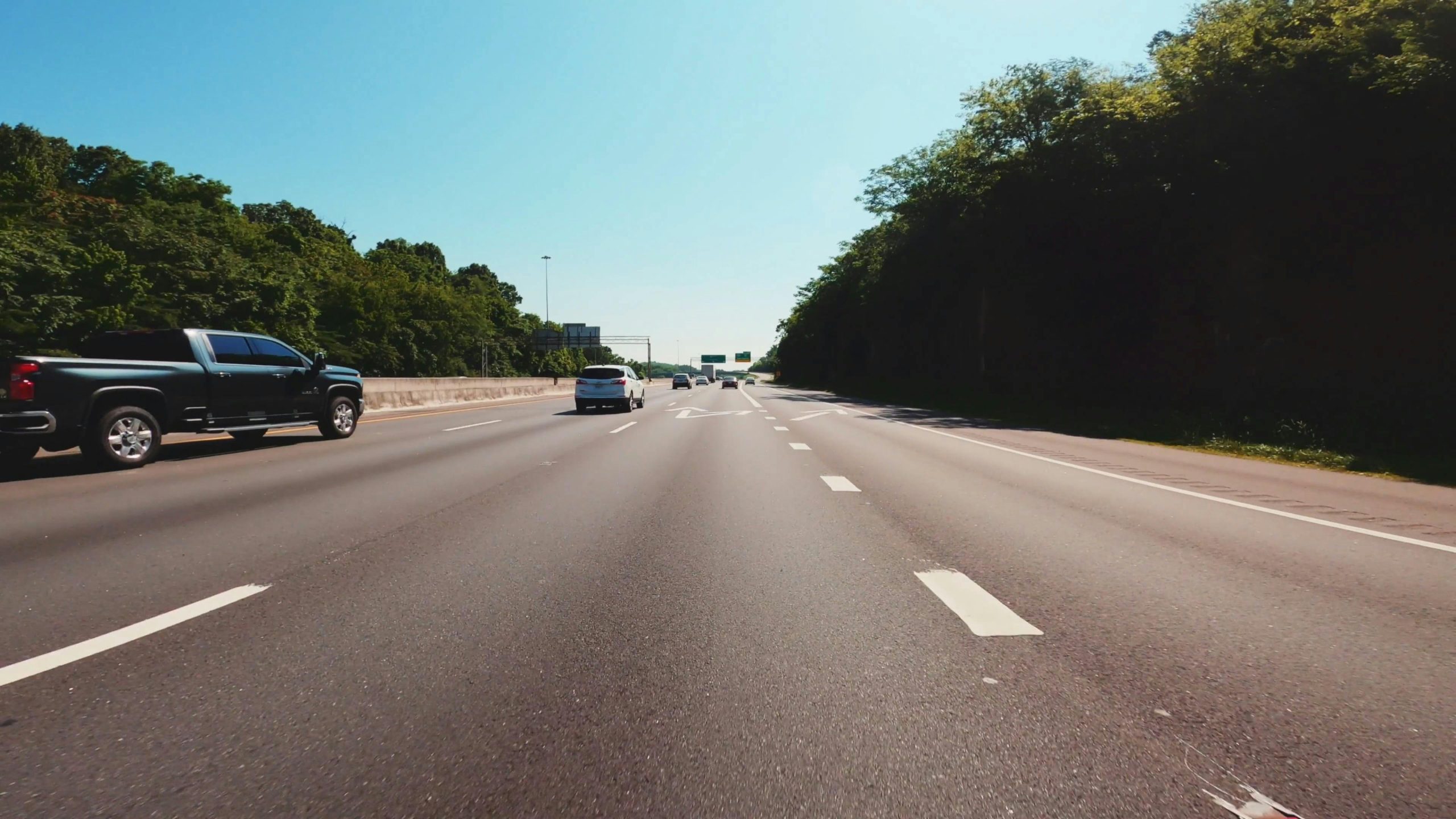
Resolution is the one spec that matters more than the marketing usually makes clear. 1080p is the floor for useful footage, meaning you can read a license plate in decent light. 2K or 4K is better if you ever need to zoom in on footage for a claim, and the price difference between tiers has gotten pretty small. Night performance is just as important as daytime quality, maybe more so, since many incidents occur in low light. Look at aperture ratings and sensor specs rather than taking sample footage at face value.
Loop recording is standard now and just means old footage gets overwritten automatically when the card is full, so you’re never without coverage. Parking mode is worth having if your vehicle spends time in public lots, since it triggers on motion or impact when the car is off. Wide-angle lenses in the 140 to 170 degree range give you full lane coverage rather than a narrow strip straight ahead. Some units also log GPS data alongside video, which gives adjusters speed and location context if footage is ever used in a claim.
Installation and Daily Use
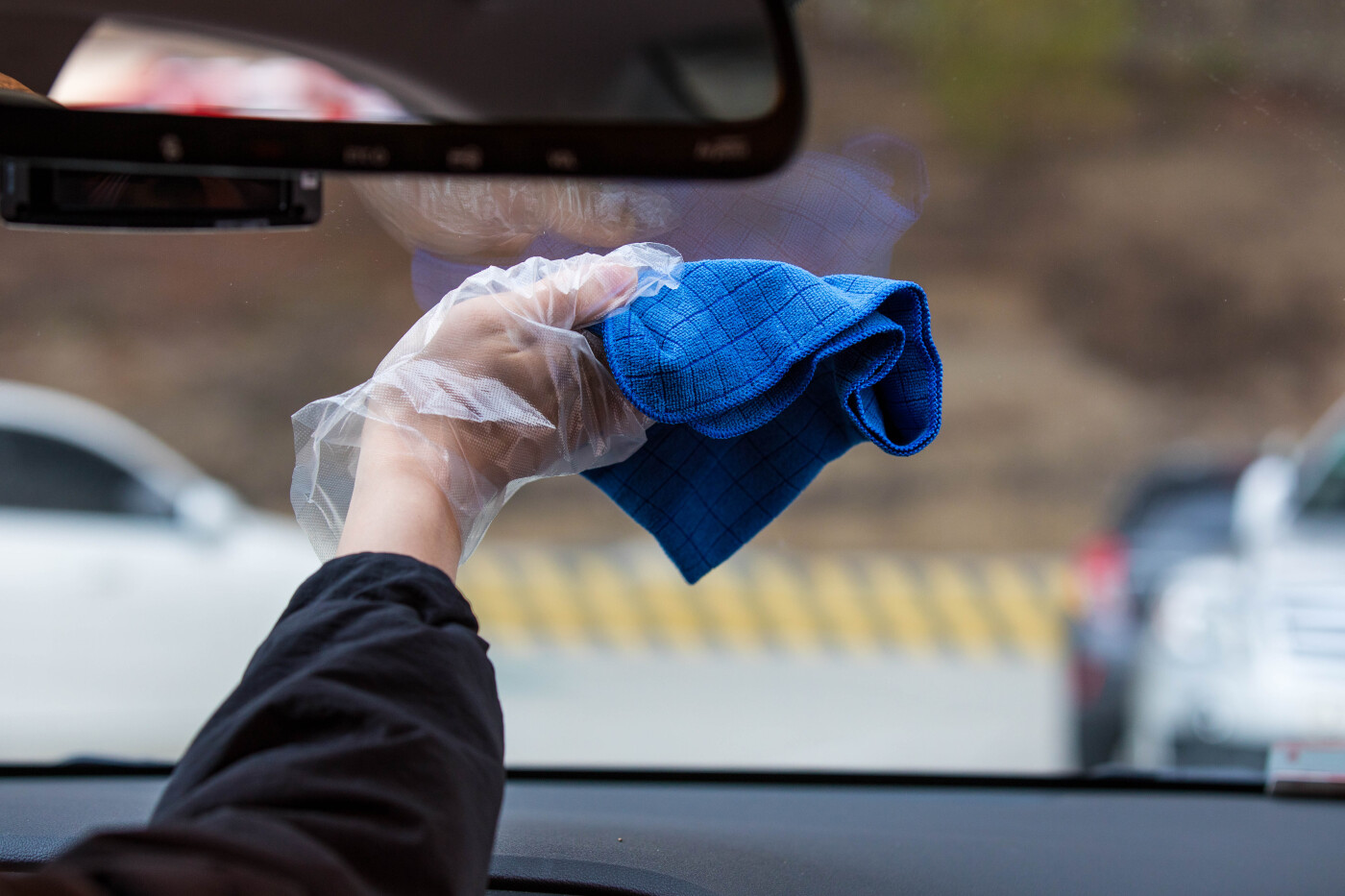
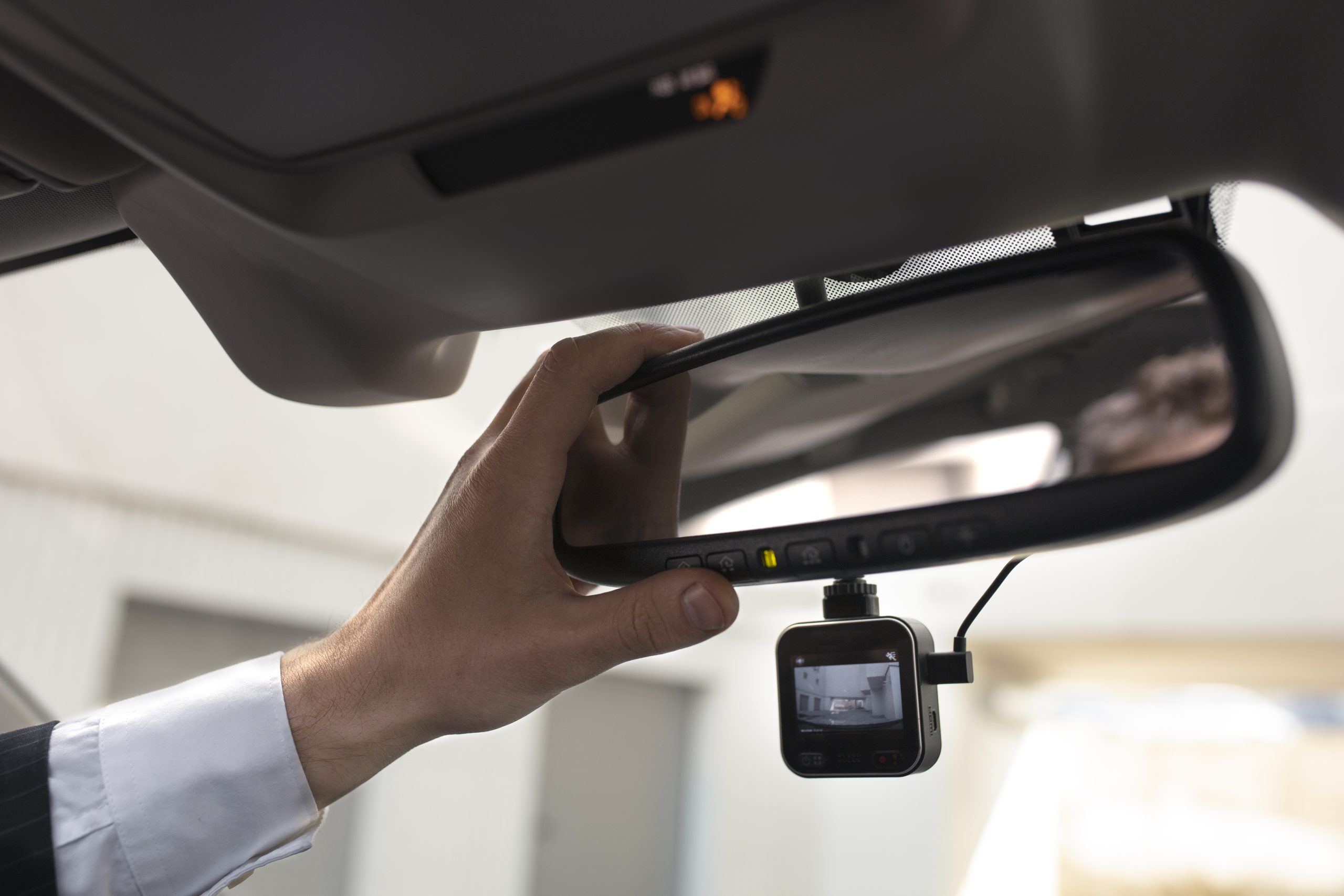
Setup is straightforward for most front cameras. They mount to the windshield and plug into a cigarette lighter or USB port, and the whole thing takes maybe ten minutes without any tools. If you want a cleaner install with no visible cable and continuous parking mode, most shops can hardwire the camera to the fuse box in under an hour. After that, you genuinely don’t have to think about it. The camera comes on with the ignition, records throughout the drive and loops over old footage on its own. Most current models also pair with a phone app, so pulling footage is as simple as opening an app rather than hunting for an SD card. A few will push a notification to your phone if parking mode picks up motion while you’re away from the vehicle.
Conclusion
A front dash cam is a purchase that makes the most sense before you need it, which is also when it’s easiest to talk yourself out of it. The cost is low, the install is quick, and the footage is either useful or completely invisible depending on how your day goes. For most drivers, the one time it actually matters will more than cover whatever it costs.