

Riding a motorcycle gives you a freedom that’s hard to explain to someone who’s never done it. But that same thrill can work against you when you’re just starting out. A safety course can help, but nothing fully prepares you for what actually happens out on the road.
New riders crash more; that’s just the reality, especially when riding bikes not suitable for beginners. And most of the time it’s not because someone was showing off or pushing limits. It’s because they ran into a situation they didn’t see coming and didn’t have the experience to react in time.
Intersections, road hazards, merging traffic. These come up constantly in crash reports involving beginners. Getting familiar with the riskiest scenarios before you encounter them is one of the best things you can do for yourself early on. In this post, we’ll look at the most common situations where new riders tend to get into trouble the most.
Intersections and Left-Turning Cars
 Credit: Unsplash
sk experienced riders where most close calls happen and you’ll keep hearing the same answer: intersections. That’s where traffic crosses paths, decisions get made fast and motorcycles tend to go unnoticed.
The classic scenario is a car turning left in front of you. The driver figures they have time, or they just don’t see you coming. Bikes are smaller and harder to read than cars, especially for drivers who aren’t actively looking for them.
It can unfold in seconds. You’re cruising through on a green and suddenly a car cuts across your lane. New riders often freeze or hit the brakes too late.
The way to handle it is to expect it. Ease off a little as you approach intersections and get your fingers over the brakes. Watch the front wheels of cars waiting to turn because the wheels move before the car does. Where you position yourself in the lane matters too. Be where drivers can actually see you.
Intersections are consistently one of the top locations for motorcycle crashes in the US. According to the NHTSA, in 2023, there were 6,335 motorcyclists killed, which accounts for 15% of all traffic fatalities. A large portion of motorcycle collisions involve another vehicle violating the rider’s right of way. Treating every intersection like something could go wrong is one of the smarter habits you can build early on.
Panic Braking and Sudden Traffic Changes
 Credit: Pexels
Traffic stops without warning. Someone cuts into your lane. Something falls off a truck ahead of you. For a new rider, any of these can trigger a panic grab at the brakes, and that’s where things go wrong fast.
Squeeze the front brake too hard and too suddenly and the wheel locks. The bike goes down before you even process what happened. A lot of new riders also forget to use the rear brake at all when they’re panicking, which makes everything harder to control.
ABS helps, but it’s not a substitute for actually knowing how to brake. The best thing you can do is practice before you need it. Find an empty parking lot and run through emergency stops from moderate speeds, both brakes, smooth and deliberate. Do it enough times and your hands start doing the right thing on their own.
Following distance matters more on a bike than most beginners realize. Riding closer to cars than you should leaves you almost no time to react. Back off and give yourself room. Reading traffic gets easier with experience. Until you have that, practicing your braking and keeping your distance are two of the cheapest forms of insurance out there.
What Happens After a Motorcycle Accident
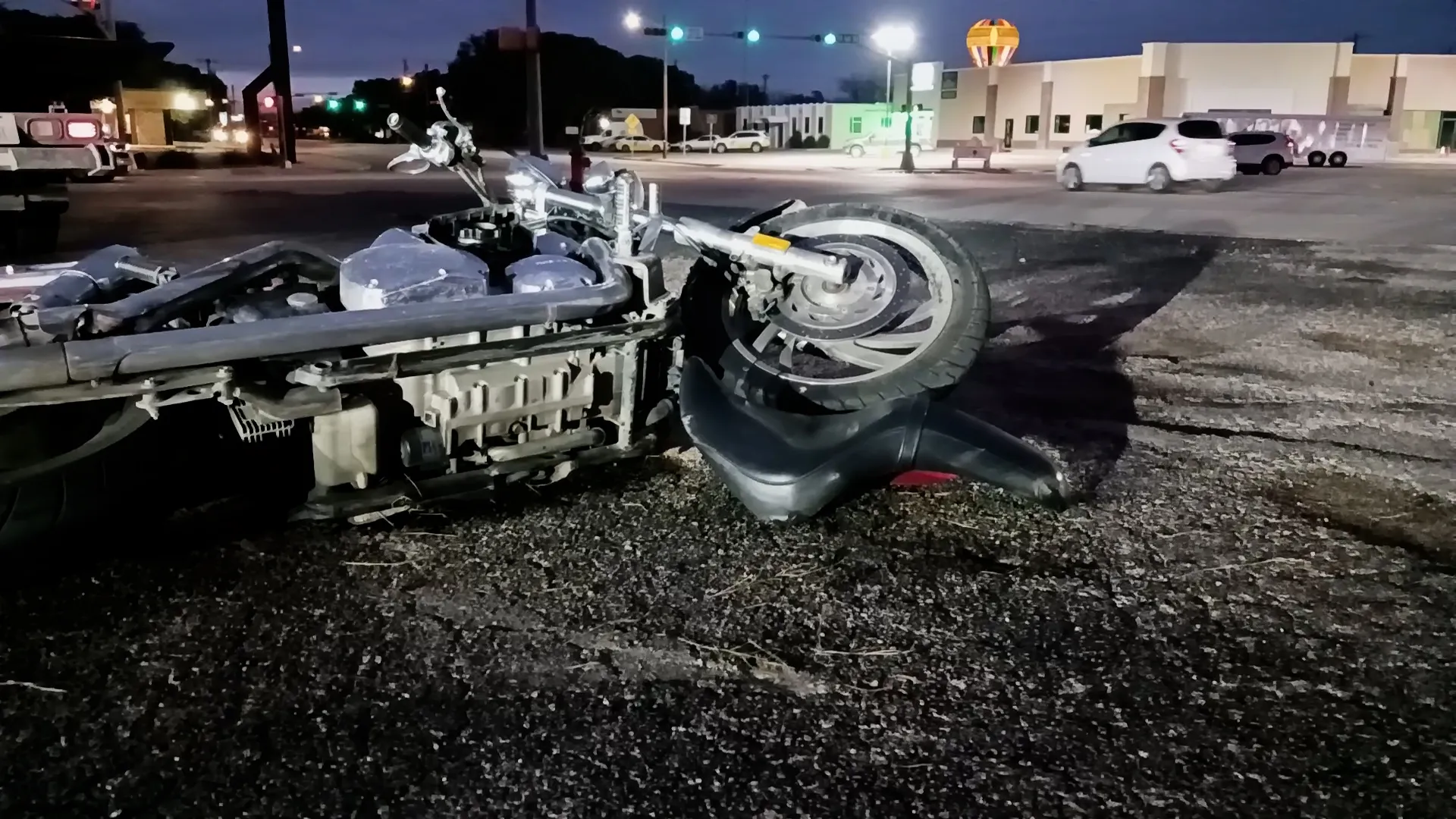 Credit: Big Country Home Page
Careful riders still crash. A driver doesn’t yield, misjudges your speed or just doesn’t see you at all. It happens. When it does, things get complicated quickly. Motorcycle injuries tend to be more serious than what you’d see in a car accident and dealing with insurance while you’re trying to recover is a lot to handle.
Get medical attention first, even if you feel okay. Some injuries don’t show up right away and waiting can make things worse. If you’re able to, photograph everything at the scene: the vehicles, the road, any injuries. Get the other driver’s information and grab contact details from anyone who saw what happened.
If the crash was someone else’s fault, it’s worth understanding what your legal options are. This is especially relevant for riders in Florida, which is consistently ranked among the most dangerous states in the country for motorcyclists. Personal injury lawyers in Orlando, FL who specialize in motorcycle cases can help you work through insurance claims and determine what you may be owed for medical bills, lost income or damage to your bike.
Most riders don’t think about any of this until they’re sitting in a hospital bed. Knowing it ahead of time makes a hard situation a little more manageable.
Road Hazards That Catch Beginners Off Guard
 Credit: Unsplash
A car can roll over a lot of road garbage without much reaction. A motorcycle is a completely different situation. Things that barely register in a car can put a bike on the ground. Loose gravel is one of the first surprises new riders run into. It gathers near intersections, driveways and construction zones. Hit it mid-turn while leaning and the traction just disappears.
Wet pavement is sneaky. Painted lane markings, metal plates and manhole covers get genuinely slippery when it rains. Braking or leaning hard on any of those surfaces is a gamble. Potholes are their own problem. A bad one at speed can knock the bike off balance or damage a wheel before you have time to react.
Riders who’ve been at it a while are constantly scanning the road ahead. They know what a patch of sand looks like from thirty feet away and they’re adjusting speed before they reach it. For beginners, the main thing is to slow down on roads you don’t know and avoid sharp movements if something feels off underneath you. Smooth inputs, gradual braking, relaxed grip on the bars. Let the bike do its job.
The hazards get easier to spot over time. Until then, just keep your eyes moving and give yourself room to react.
Conclusion
Beginner crashes tend to follow a pattern. Intersections, panic braking and road hazards show up over and over in accident reports. That’s actually useful information because patterns can be prepared for.
Watching intersections carefully, learning to brake properly and keeping your eyes on the road surface ahead will take you further than most people expect. Experience fills in the rest. But understanding where things tend to go wrong gives you a real head start on staying out of trouble during those first months on the bike.