
A lot of riders also drive a car or truck, and the two vehicles require pretty different kinds of preparation. Your bike gets the pre-ride checklist. Your gear gets inspected. But the car sitting in the driveway? It usually gets ignored until something goes wrong. And when something does go wrong, it tends to happen at the worst possible time.
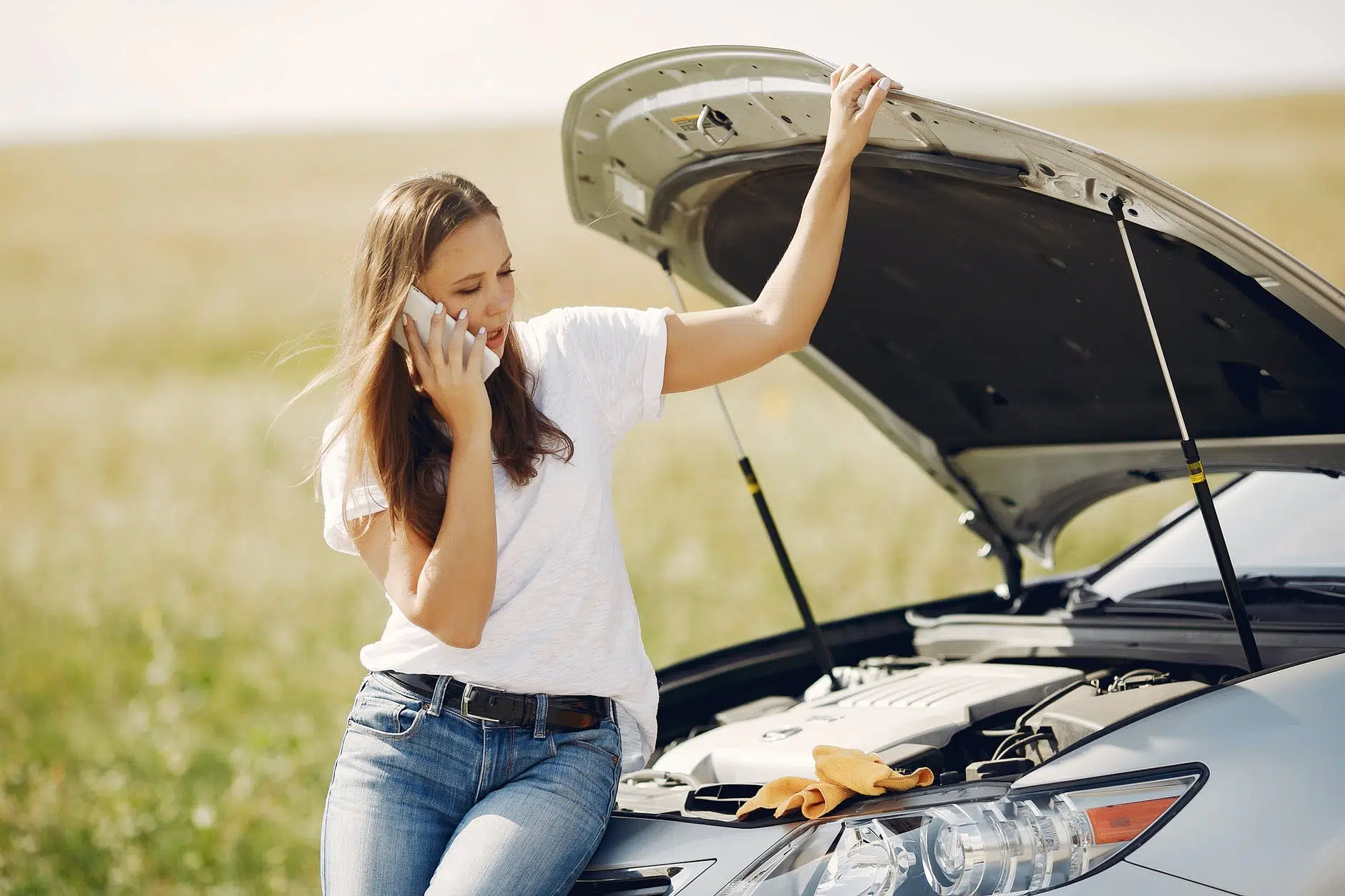
A dead battery in a parking garage at 9 p.m. A soft tire on a Sunday morning before a long drive. These aren’t rare edge cases. They’re the kind of everyday failures that catch drivers off guard because nobody thinks it’ll happen to them until it does. Having the right tool in your trunk changes that equation entirely, and it doesn’t have to be complicated or expensive.
Roadside Emergencies Are More Common Than You’d Think
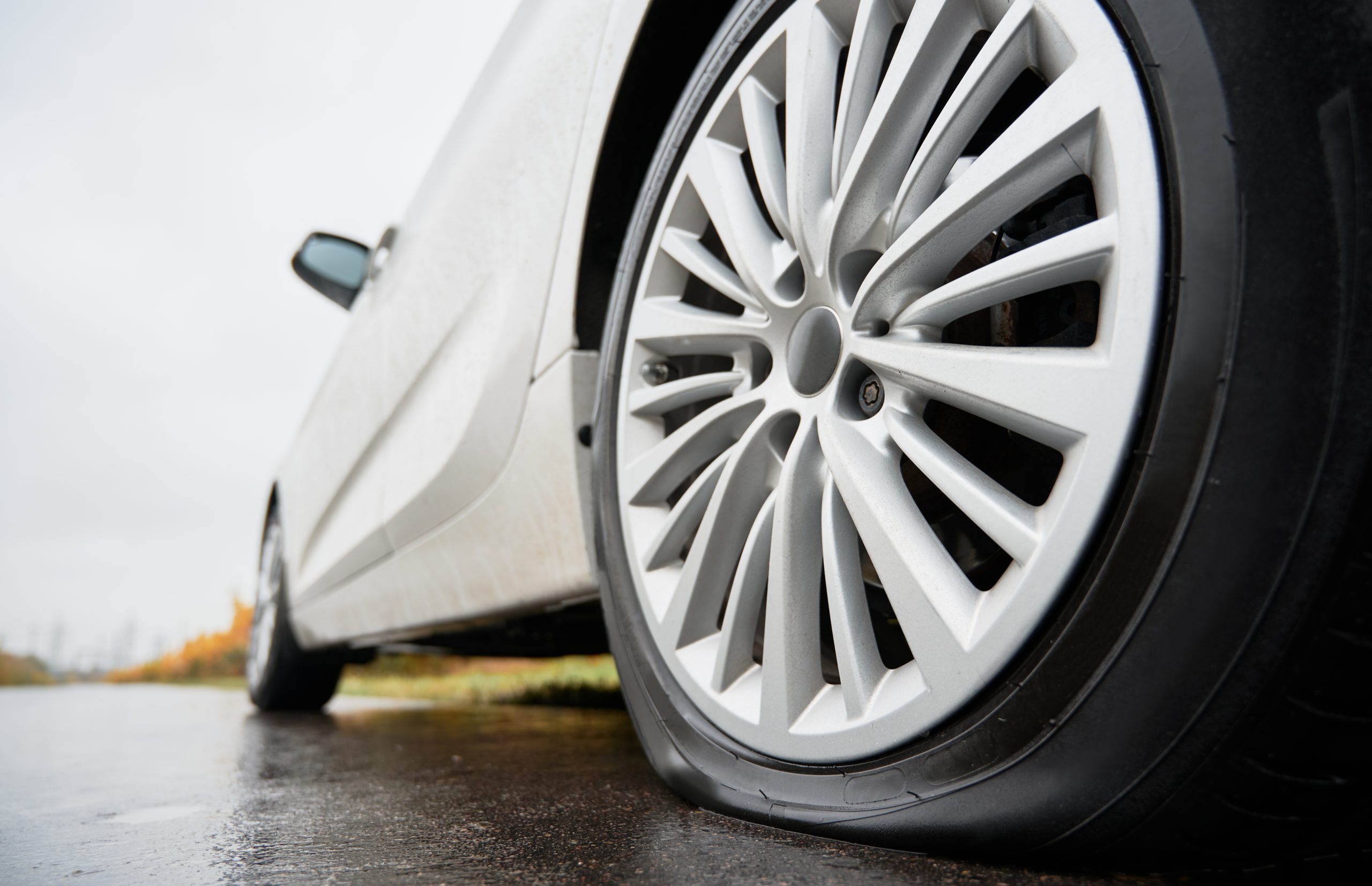
The numbers here are pretty staggering. According to AAA data, Americans deal with roughly 69 million vehicle breakdowns every year. That’s about 189,000 per day. Battery failures alone cause 30% of those calls, making a dead battery the most common reason people end up stranded. Flat tires are close behind, and underinflated tires contribute to around 82,000 crashes annually.
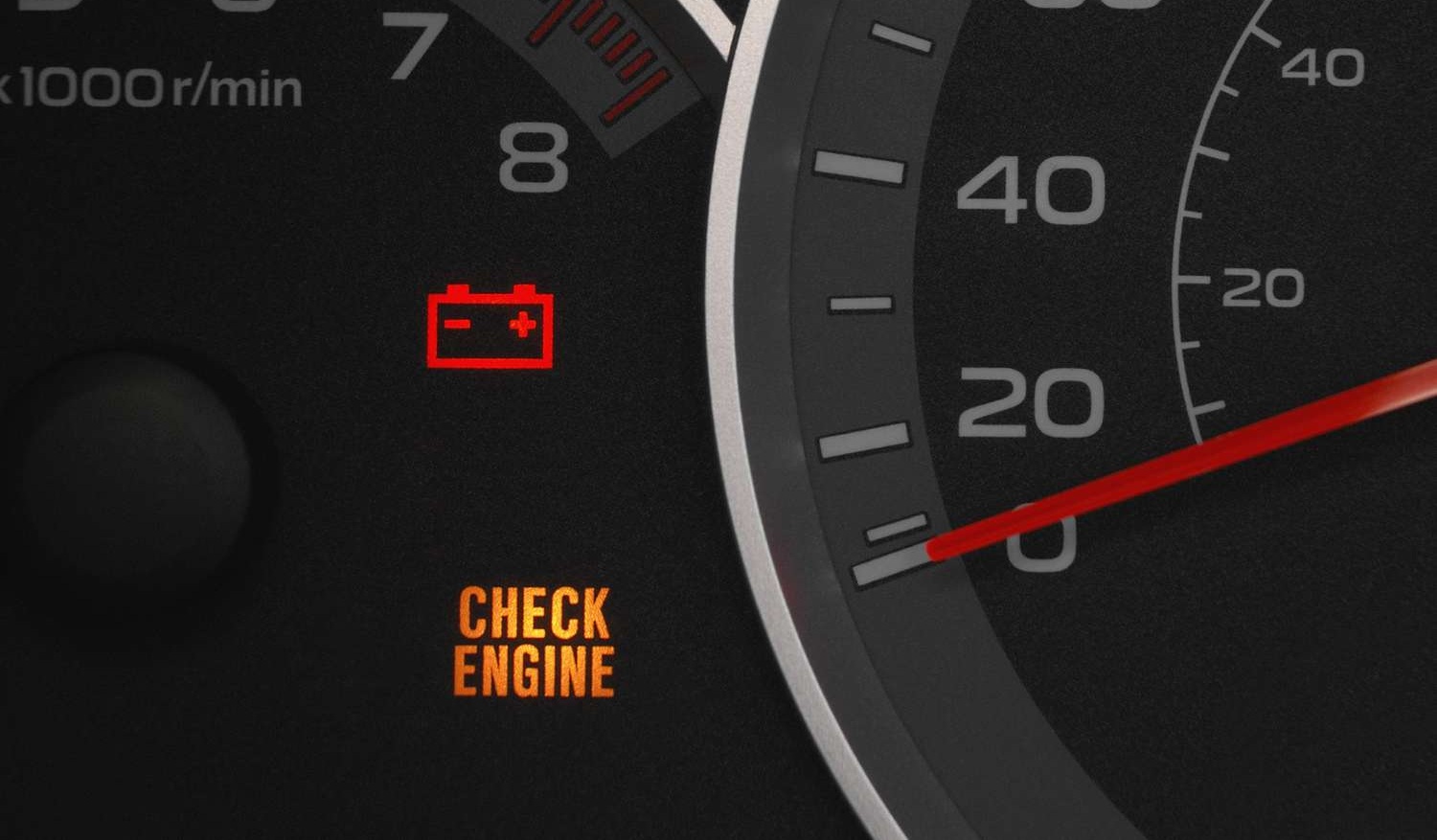
Part of the problem is that most drivers put off maintenance until there’s an obvious symptom, and batteries don’t always give you one. They just die. No warning light, no sluggish starts for a few weeks beforehand. One morning the car turns over fine, and the next morning it doesn’t. If you drive regularly and you don’t have anything in your trunk to handle either of those two problems, it’s worth thinking about sooner rather than later.
One Tool That Does Both Jobs
 Credit: Pexels
For years, being “prepared” meant jumper cables and maybe a little portable compressor buried somewhere under your camping gear. The problem with jumper cables is obvious: you need another car. And a standalone compressor is useless when your battery won’t turn over. That’s the gap that a jump starter with air compressor fills. You get a lithium-powered jump starter and a built-in air compressor in a single unit that fits in most glove boxes. Dead battery at a trailhead? Handled. Low tire on the highway? Same thing. No waiting for a tow, no flagging down strangers, no hoping someone nearby knows how to use jumper cables correctly. These units have gotten compact and affordable enough that there’s really no good reason not to keep one in every vehicle you own.
What the Specs Actually Mean
 Credit: Firestone
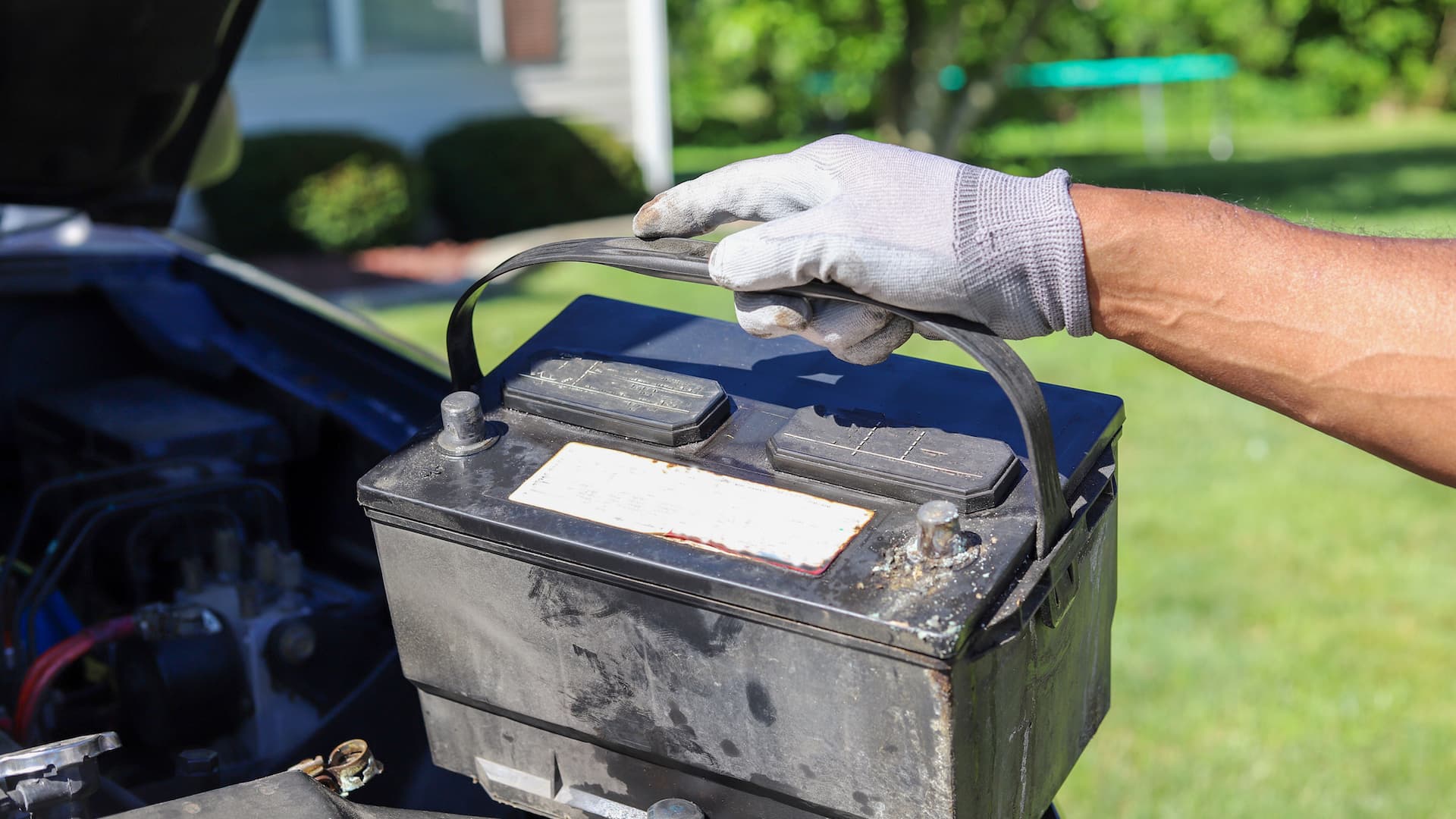
A few things worth understanding before you buy. Peak amps tell you how much starting power the unit can deliver. Most passenger cars need at least 400, but larger trucks and SUVs can need 1,000 or more, so check what your vehicle requires before settling on a unit. Battery capacity (mAh) determines how many jump starts you’ll get before the unit needs a recharge.
Higher mAh also means more runtime for the air compressor, which matters if you’re dealing with a significantly low tire. For tire pressure, most passenger cars run between 30 and 35 PSI, while light trucks typically run higher. Look for a unit that clearly displays PSI so you’re not guessing. Safety features like reverse polarity protection are worth having too.
Connecting cables backwards is an easy mistake when you’re stressed on the side of a highway, and that protection keeps it from turning into an expensive one. Overcharge protection matters as well, both for the unit’s long-term battery health and for your vehicle’s electronics. Some units also come with USB ports for charging your phone, which is a useful bonus when you’re already dealing with a roadside situation.
Who Actually Needs One of These
 Credit: Pexels
Honestly, most drivers do. Commuters get stranded in parking lots with no one nearby to help. Road-trippers hit bad luck far from any service station. People with older vehicles deal with battery issues more frequently as the years pile up, and the degradation isn’t always obvious until the car won’t start. AAA notes that car batteries typically last three to five years, and performance starts dropping before they fail outright.
If your battery is pushing four years old and you’ve never had a backup plan, this is a low-cost fix for a high-probability problem. Even newer vehicles benefit from having one on board, since a single parasitic drain overnight can leave you stuck regardless of how new the battery is. And for anyone who spends time on remote roads, whether on two wheels or four, being self-sufficient matters. Being prepared also means making sure your vehicle is properly covered, so it’s worth comparing options for affordable car insurance before your next trip.
Conclusion
A jump starter with a built-in air compressor is cheap insurance for something that’s genuinely likely to happen at some point. It sits in your trunk, takes up almost no space, and gives you real options when a dead battery or flat tire would otherwise ruin your day. If you’ve been putting it off, now’s as good a time as any to pick one up and stop leaving that to chance.