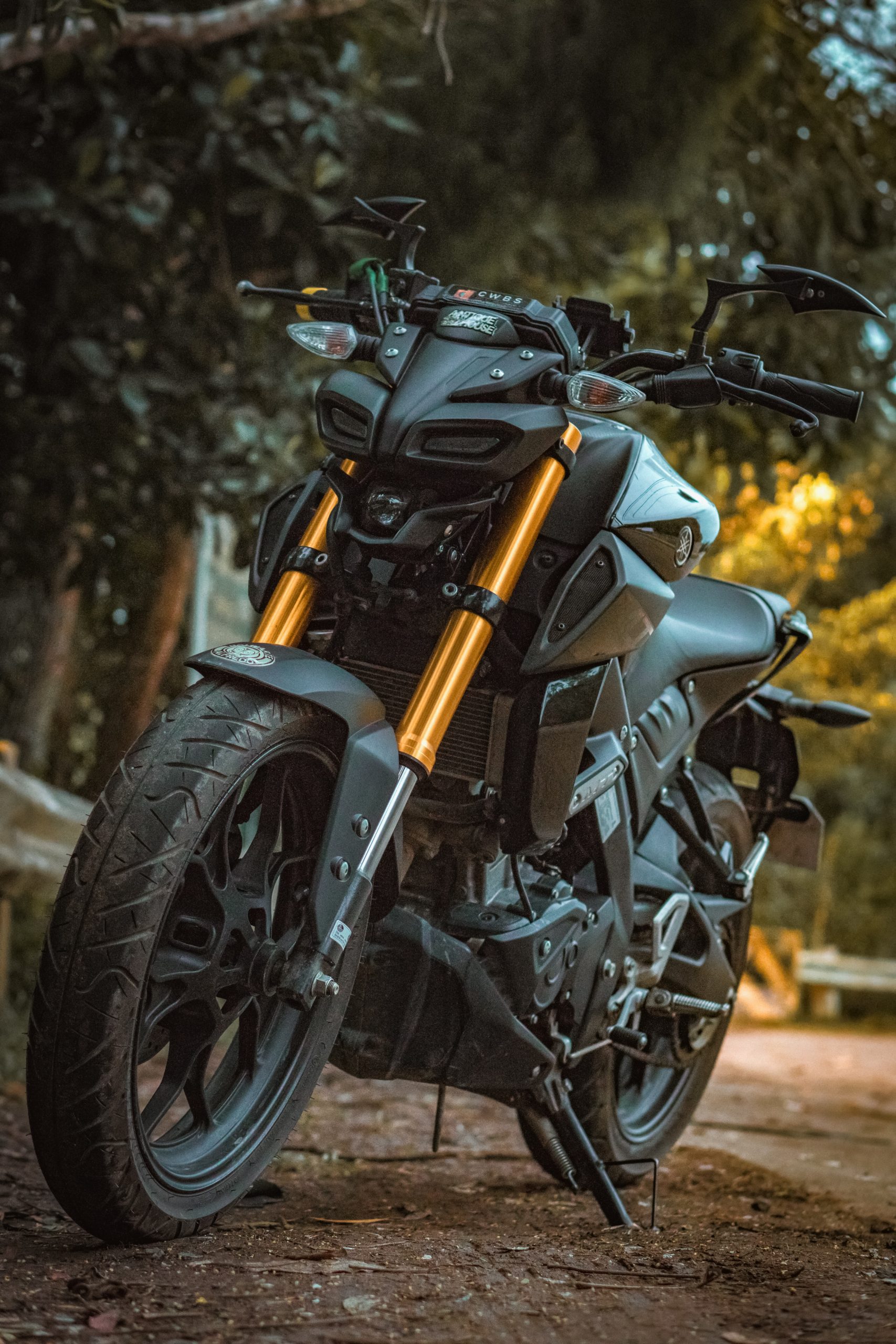

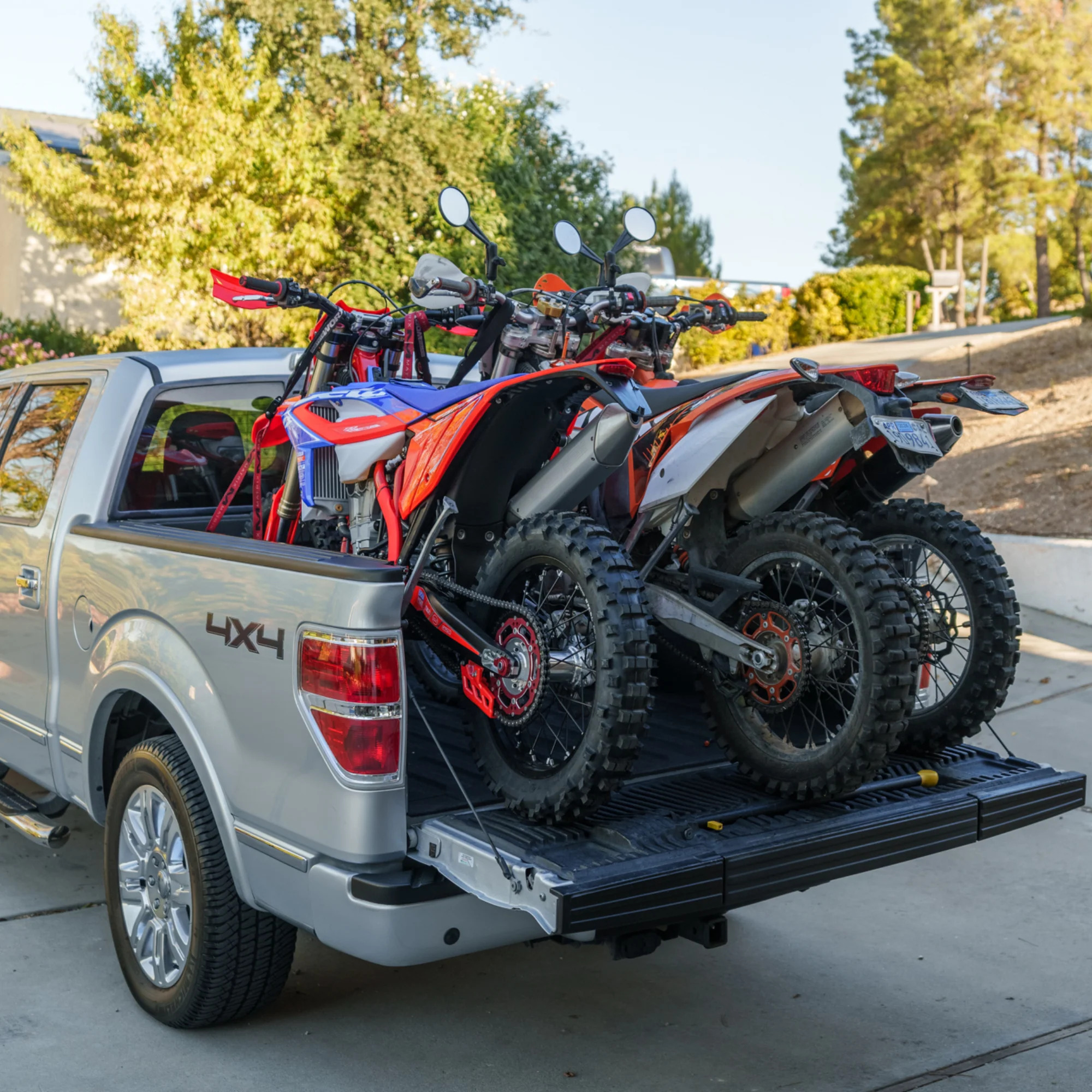
Here’s something new dual-sport and dirt riders figure out pretty fast. The riding almost never starts at your house. You’re not rolling a knobby-tired bike down the street to the trailhead, you’re loading it up and driving to wherever the dirt is, an OHV park, some forest road, a friend’s property an hour out. Which means the truck ends up being half of the hobby whether you thought about it that way or not.
Beginners tend to obsess over the bike and forget the vehicle that carries it. A half-ton like a Ford F-150 handles this easily, a 250 or 300 dual-sport barely dents the payload and fits in the bed with room to spare. So the truck becomes your trailhead base. It hauls the bike out, it holds your gear while you ride, and it’s where you sit and drink water and question your life choices after you eat it on a hill climb. The part nobody preps for is what the truck looks like at the end of the day.
The Truck Is Doing More Work Than You Think
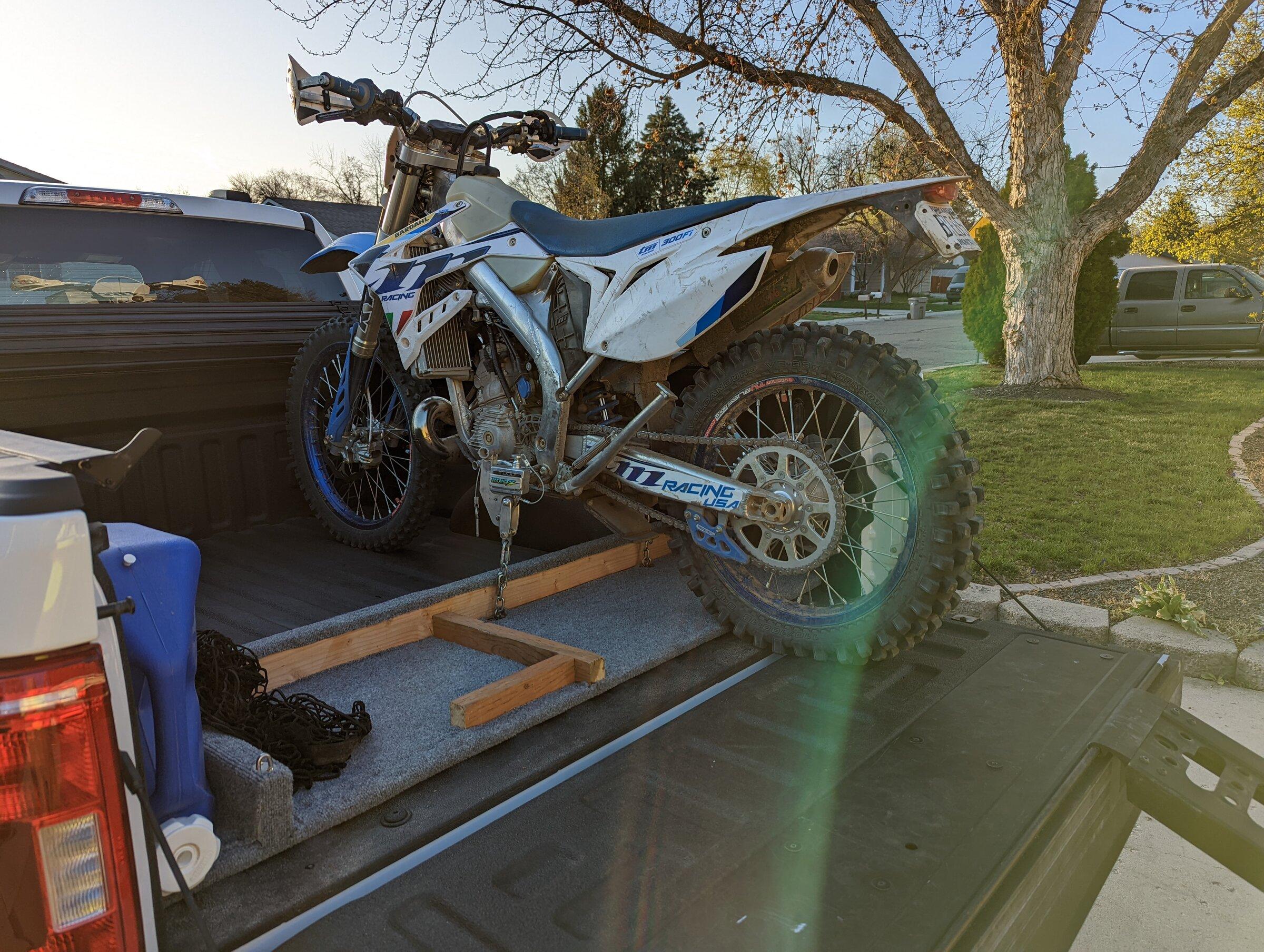 Credit: F150gen14
Once you start riding off-road regularly the truck stops being just a truck. It’s a gear locker, a changing room, a lunch spot and the thing that gets you and a busted bike back to civilization when something breaks. Ask anyone who’s been doing this a while. They’ve got it dialed, straps stay in the bed, spare gloves live in the back seat, there’s a jug of water and a first aid kit that never comes out. None of that is complicated. It just adds up over a season, and it all happens inside a cab that’s about to take a beating you didn’t sign up for.
Loading Up for the Trail
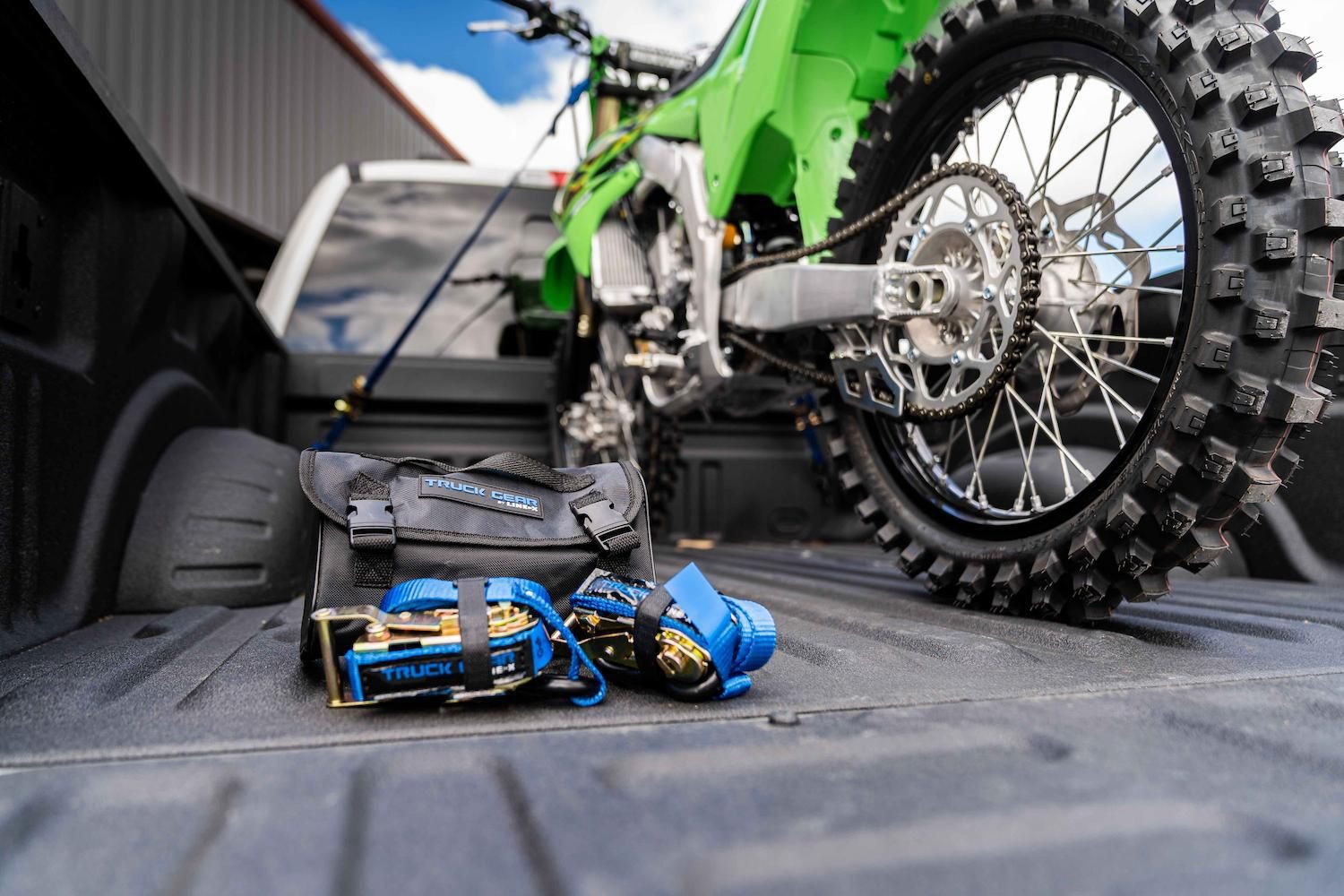
Getting the bike in the bed is the easy part and it’s the same drill every time. Tailgate down, a ramp rated for the weight, walk the bike up with the engine off instead of riding it. Dual-sports are light and tall so they load easy, but that height also means they catch wind on the highway, so strap it down like you mean it. Front wheel into the corner, ratchet straps front and rear pulling down and forward, hooked to solid points and not your plastics.
Give it a shake before you leave the driveway. Then check it again when you stop for gas, because a strap that felt tight at home has a way of loosening up in the first twenty minutes.
Coming Home Caked in Mud
 Credit: r/DualSport
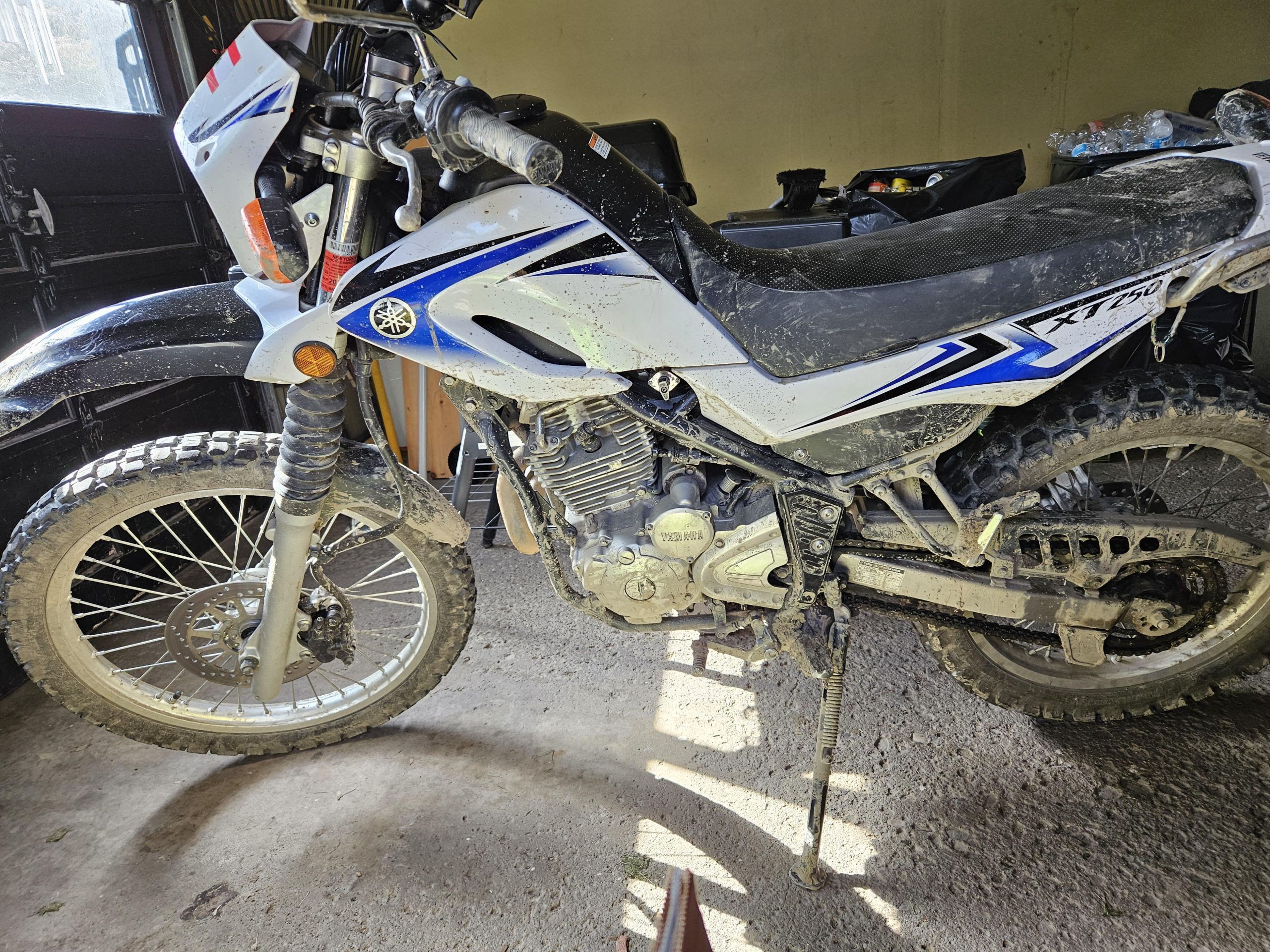
This is where things get messy. You spend the day riding through dirt, water, mud, and loose gravel, and you come back carrying part of the trail with you. Muddy boots, wet gloves, a jersey you could wring out, and a helmet covered in dust all need somewhere to go during the drive home.
If it rained, you are basically loading a small swamp into the cab.
Factory carpet is not ideal for this type of repeated use. Water and fine dirt can work their way into exposed areas, while dried mud can take far longer to remove than it did to bring inside. Wet carpet can also hold onto moisture and odors long after the rest of the truck looks clean.
After a few muddy rides, most owners stop trying to keep the truck perfectly clean and start looking for ways to make cleanup easier. A molded all-weather floor liner is one of the simplest upgrades.
Why Custom Fit Matters
 Credit: Lasfit
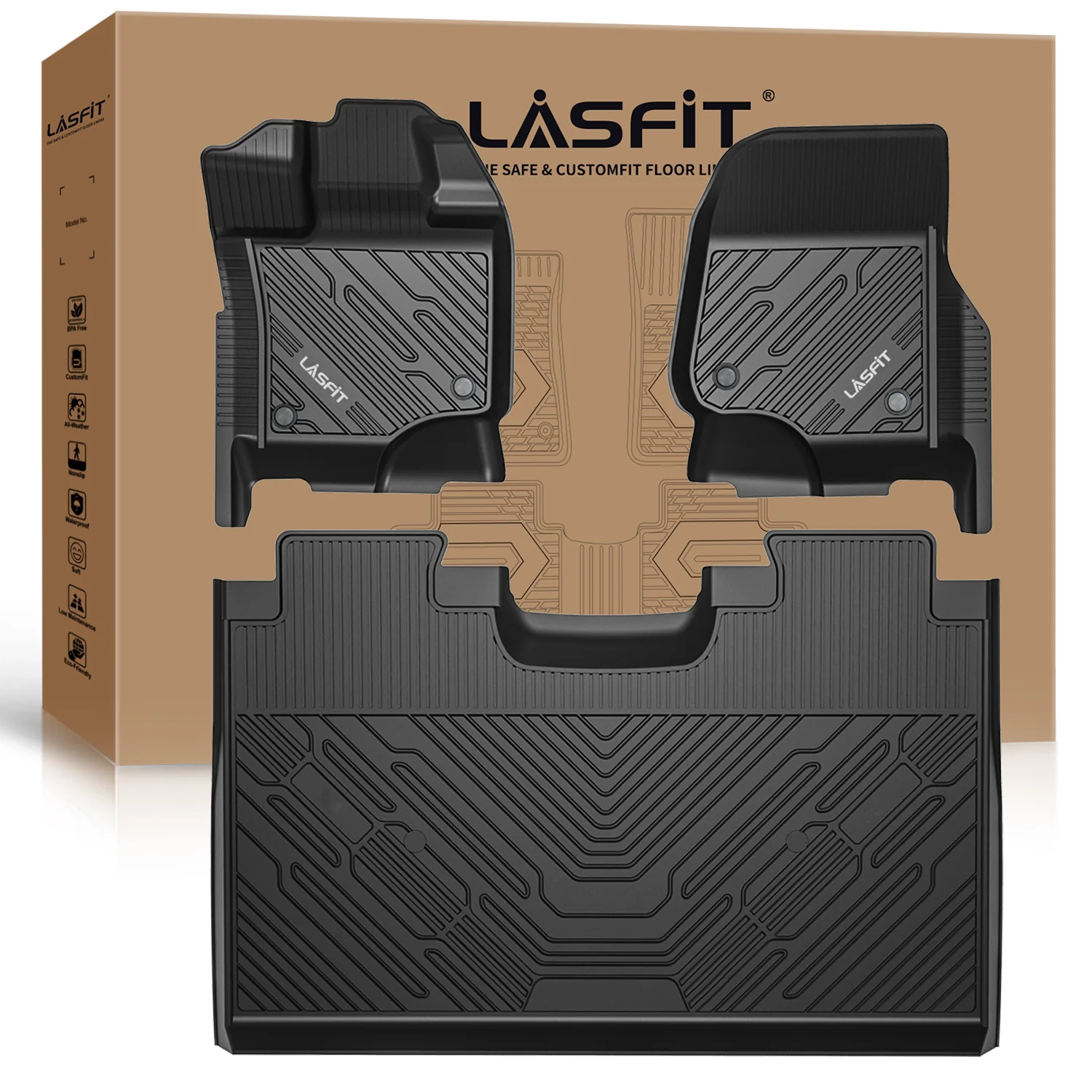
Universal mats can catch some of the mess, but they are designed to fit a wide range of vehicles, so they often leave gaps near the door sill, pedals, and rear center hump. A custom-fit liner follows the actual shape of the truck floor, giving muddy water, sand, and loose debris fewer places to escape. For riders climbing into the cab in wet boots or tossing dirty gear into the back, that extra coverage is what makes cleanup noticeably easier.
For compatible cab and floor configurations, Lasfit’s ford f150 floor mats are shaped to follow the contours of the F-150 footwells. Raised edges help contain mud, water, sand, and trail debris before they spread onto surrounding carpet.
The rear liner also protects the second-row floor, including the area between the rear footwells where wet boots, gear bags, and dirty clothing often end up. After the ride, the liners can be removed, rinsed, dried, and placed back inside instead of leaving you to scrub dried clay out of the factory carpet.
An inexpensive moving blanket over the rear seat is another useful addition. It gives wet riding gear somewhere to land without covering the upholstery in mud and makes it easier to carry helmets, jackets, boots, and protective equipment home together.
Set It Up Once and Stop Worrying about It
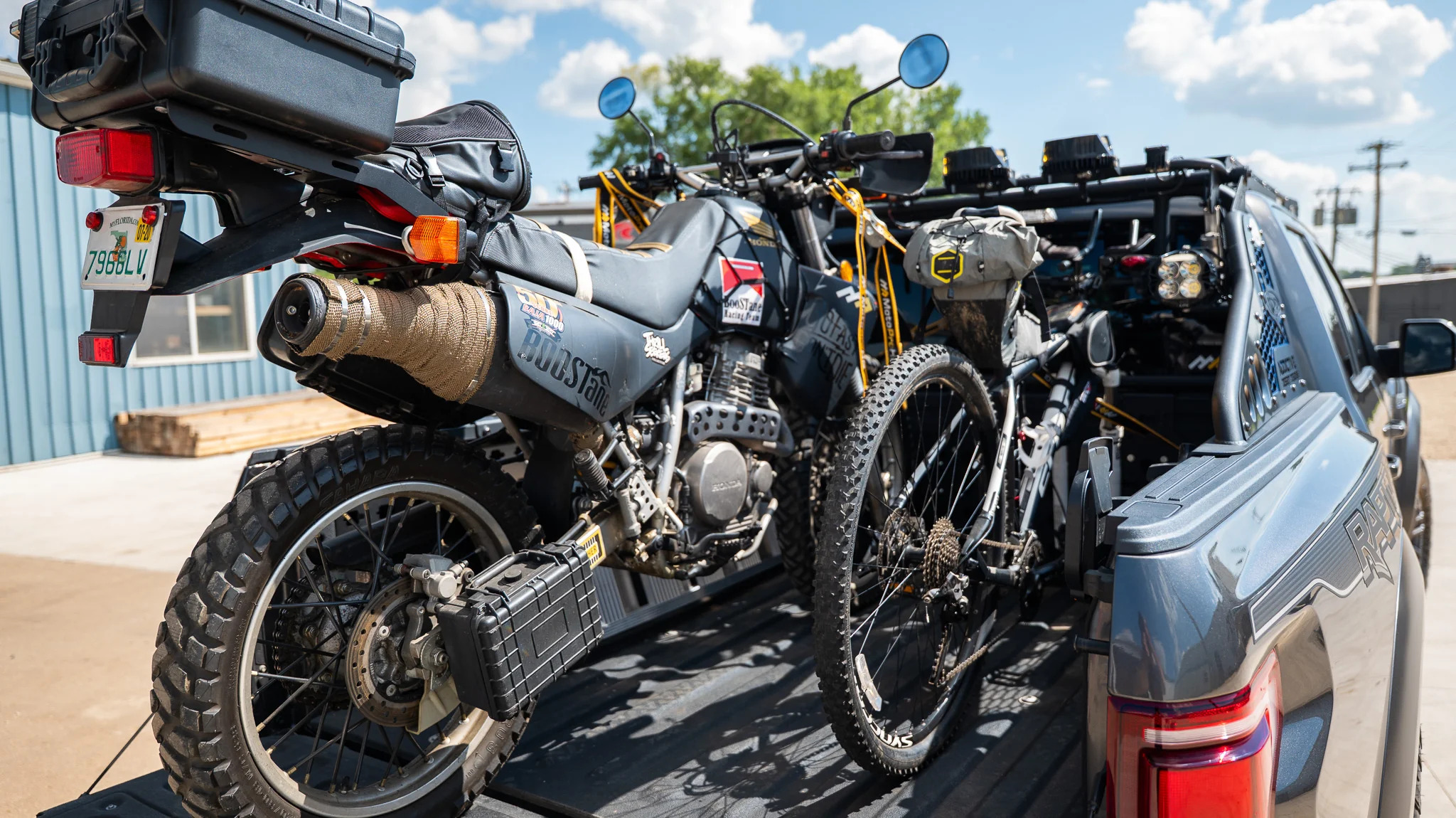
The riders who enjoy this hobby the most are usually the ones who stop fighting the mess.
They set up the truck so it can get dirty, clean it quickly, and move on. Install all-weather liners, keep an old blanket over the seats, and place a storage bin in the bed for straps, tools, gloves, and other riding gear.
For riders who use their trucks every weekend, Lasfit f150 floor mats can stay installed year-round, helping protect the interior during trail days, rainy commutes, camping trips, and everyday driving.
It takes one afternoon to get the truck organized. After that, the truck can do what it is supposed to do. It gets dirty, you rinse the liners, put the gear away, and head back out to ride again the next weekend.