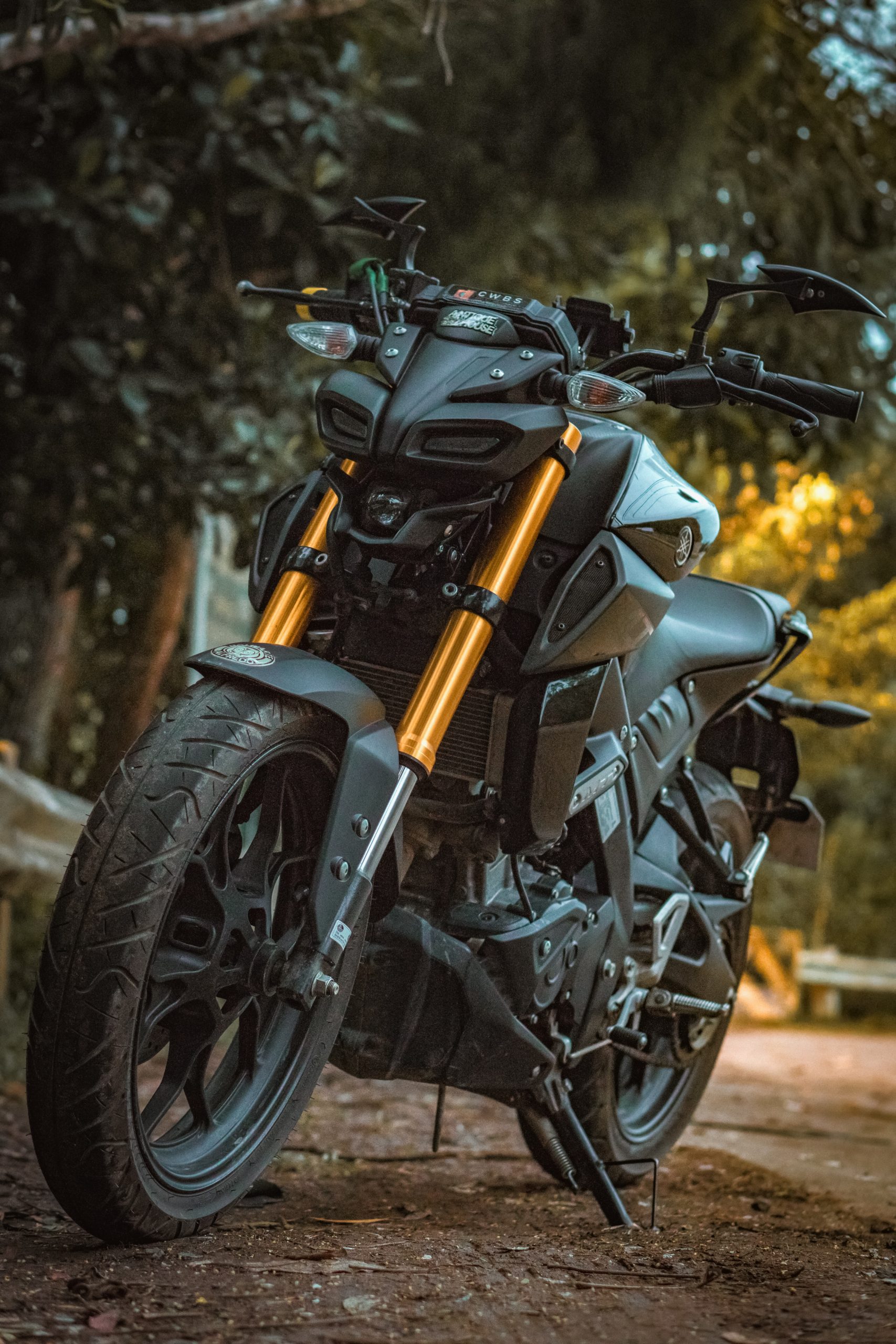


For many beginner motorcyclists, the excitement of riding often begins with shorter trips through city streets. Urban environments offer convenient access to work, school, and social activities, but they also present some of the most complex traffic conditions a rider will encounter. Dense traffic, frequent intersections, pedestrians, rideshare vehicles, and unpredictable driver behavior all create challenges that require heightened awareness and skill.
Unlike highway riding, where traffic flows more consistently, city riding involves constant changes in speed and direction. For new riders, learning how to navigate these conditions safely is essential. By developing strong defensive riding habits and understanding common urban hazards, beginners can significantly reduce their risk on busy city roads.
Understanding the Legal Side of Traffic Accidents
 Credit: Pexels
Despite careful riding, accidents can still occur. When collisions happen in dense urban environments, determining responsibility may involve multiple parties, including other drivers, commercial vehicles, or rideshare services.
Motorcycle accidents can lead to serious injuries due to the limited protection riders have compared with drivers in passenger vehicles. Medical treatment, rehabilitation, and insurance claims can quickly become complicated.
For individuals involved in serious collisions, understanding legal rights may become an important step in the recovery process. In situations involving disputed liability or significant injuries, consulting experienced professionals such as the car accident attorneys at Parker Waichman LLP may help riders evaluate their options and pursue compensation when another party’s negligence contributed to the crash. Legal guidance can also assist riders in navigating insurance claims and ensuring that accident investigations fully consider all available evidence.
Mastering Defensive Riding
Defensive riding is one of the most important skills for beginner motorcyclists, particularly in urban environments. The concept focuses on anticipating potential hazards before they become immediate threats.
In busy cities, drivers often make sudden lane changes, stop abruptly, or turn without signaling. Riders who remain alert and constantly scan the road ahead are better prepared to respond to these situations.
Defensive riding also involves assuming that other drivers may not see the motorcycle. While this may sound pessimistic, it encourages riders to position themselves in ways that maximize visibility and allow more time to react to unexpected movements from surrounding vehicles.
Training organizations such as the Motorcycle Safety Foundation (MSF) emphasize defensive riding techniques in their beginner courses, teaching riders to maintain safe distances and continuously monitor traffic patterns.
Choosing Smart Lane Positions
Lane positioning is an important but often overlooked safety strategy. Unlike cars, motorcycles have flexibility within a lane, allowing riders to adjust their position based on traffic conditions.
In urban environments, riding directly in the center of a lane may not always be ideal. This area often accumulates oil and debris from other vehicles, which can reduce traction.
Instead, riders often choose the left or right portion of the lane depending on surrounding traffic. This positioning improves visibility and creates escape routes if a vehicle ahead suddenly brakes or swerves.
For example, positioning toward the left side of a lane can help riders become more visible in the mirrors of vehicles ahead, while still maintaining space to maneuver if necessary.
Staying Visible to Other Drivers
 Credit: Motorcycles.News
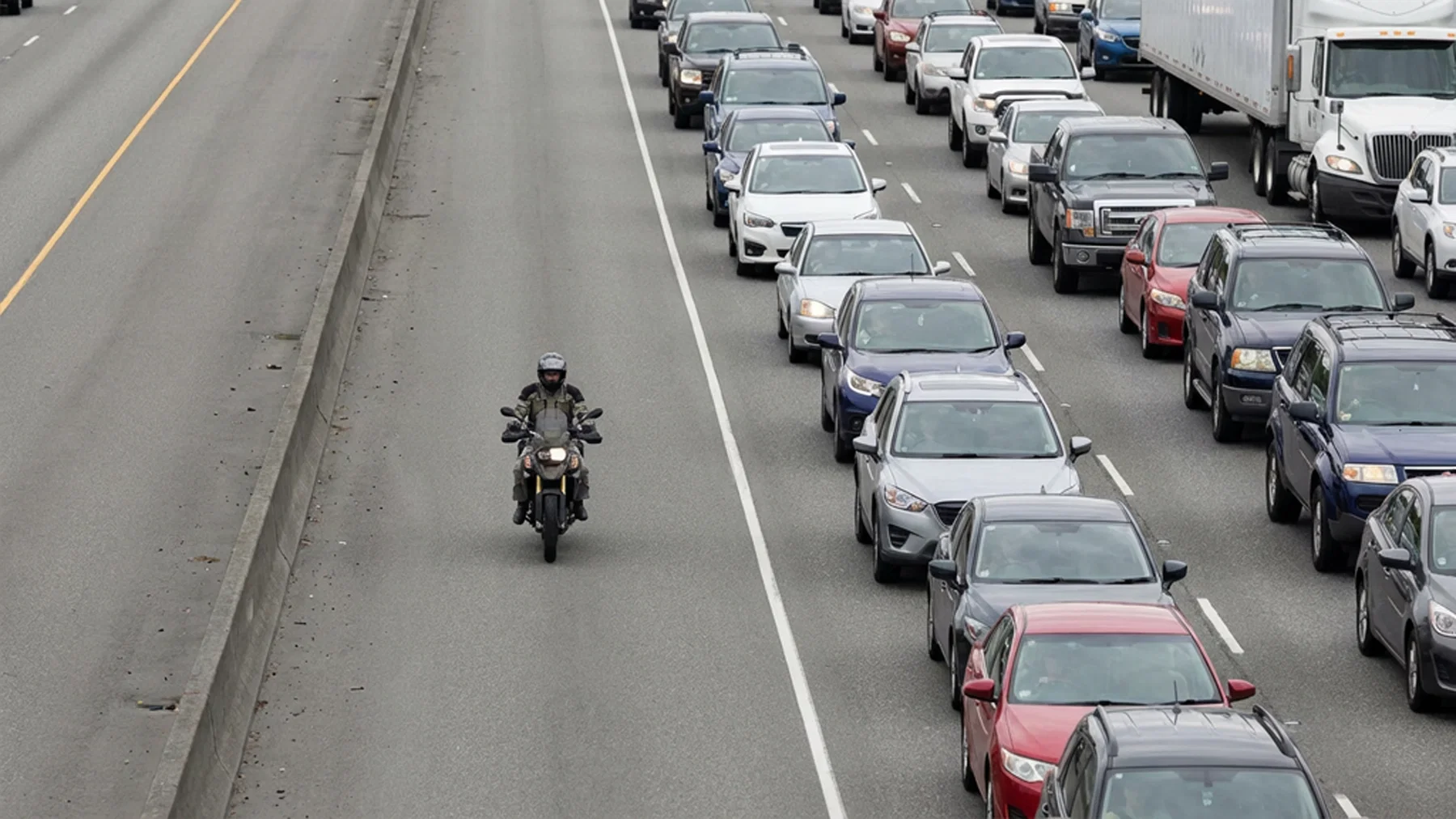
Visibility is one of the greatest challenges motorcyclists face in city traffic. Because motorcycles are smaller than most vehicles, they can easily disappear into blind spots or be overlooked during lane changes.
Improving visibility starts with gear. Bright or reflective riding jackets and helmets can make a significant difference, especially during low-light conditions or poor weather.
Headlight usage is another important factor. Many experienced riders keep their headlights on even during daylight hours to increase their visibility to other drivers.
Positioning also plays a role. Riders who avoid lingering in blind spots and instead remain where drivers can see them in mirrors greatly reduce the likelihood of being overlooked in traffic.
Managing Intersections Carefully
Intersections are among the most dangerous locations for motorcyclists in urban environments. Vehicles turning left across traffic frequently fail to notice oncoming motorcycles or misjudge their speed.
Approaching intersections cautiously is therefore critical for beginner riders. Slowing slightly, covering the brakes, and scanning for potential turning vehicles can help riders react quickly if a driver unexpectedly enters their path.
The Insurance Institute for Highway Safety (IIHS) has reported that intersection collisions are among the most common types of motorcycle accidents, reinforcing the need for vigilance in these areas.
Riders should also pay attention to pedestrians crossing streets, cyclists traveling in bike lanes, and vehicles emerging from side streets or parking areas.
Avoiding Distractions
Distraction affects both drivers and riders, but its impact can be particularly severe for motorcyclists navigating busy urban streets.
New riders should minimize any activity that takes attention away from traffic conditions. This includes adjusting navigation systems, interacting with smartphones, or becoming overly focused on dashboard displays.
Maintaining full concentration on the road allows riders to process changing traffic patterns quickly and make better decisions in real time.
Urban riding often requires constant adjustments, slowing for congestion, maneuvering around delivery vehicles, or navigating unexpected detours. Remaining fully attentive helps riders handle these situations more effectively.
Maintaining Safe Following Distances
 Credit: Wikipedia
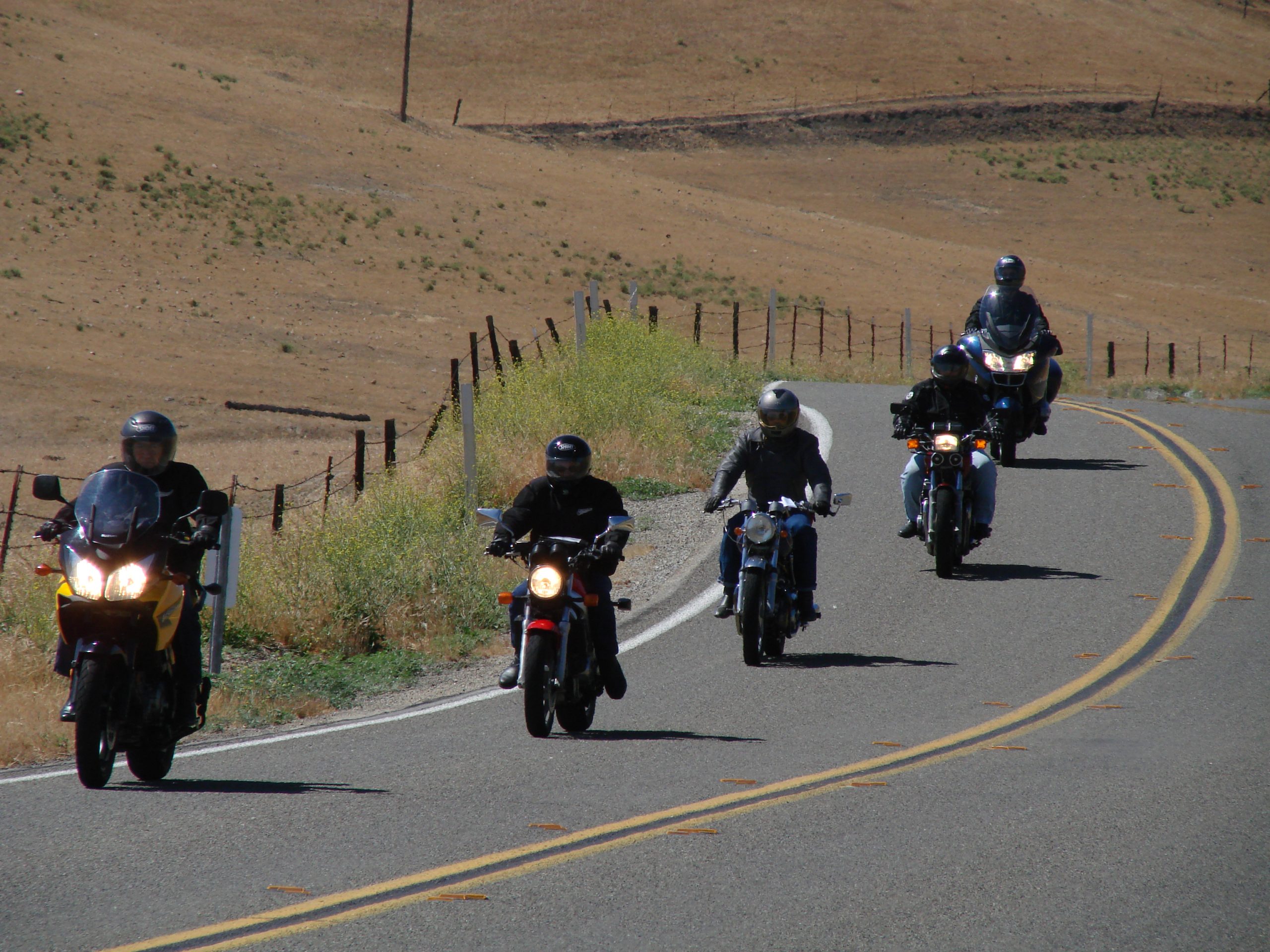
City traffic often encourages drivers to follow closely behind one another. For motorcyclists, however, maintaining sufficient space between vehicles is crucial.
Safe following distances give riders additional time to respond if the vehicle ahead brakes suddenly. Because motorcycles can stop quickly but are also vulnerable to rear-end collisions, spacing becomes an important safety buffer.
Many riding instructors recommend using a minimum two- to three-second following distance under normal conditions and increasing that distance in heavy traffic or poor weather.
This buffer also improves visibility, allowing riders to see further down the road and anticipate traffic slowdowns or hazards earlier.
Being Prepared for Road Hazards
Urban roads often contain hazards that may not significantly affect larger vehicles but can pose serious risks for motorcycles.
Potholes, loose gravel, uneven pavement, and construction debris are common in city environments. Wet surfaces, oil patches, and metal road plates can also reduce traction.
Riders should continuously scan the road surface ahead and adjust their speed when approaching unfamiliar areas. Slight adjustments in lane position can often help riders avoid dangerous obstacles.
Practicing smooth throttle control and gentle braking also helps maintain stability when encountering uneven surfaces.
Building Confidence Through Practice
Urban riding can initially feel intimidating for beginners. Heavy traffic, unfamiliar routes, and unpredictable driver behavior may create anxiety during early riding experiences.
One of the best ways to build confidence is through gradual exposure. Riders can begin with quieter streets before progressing to busier areas during off-peak hours. Practicing braking, turning, and hazard avoidance in controlled environments also strengthens riding skills.
Over time, these experiences help new riders develop stronger instincts and improved situational awareness.
Busy urban roads present unique challenges for beginner motorcyclists. Congestion, intersections, distracted drivers, and changing road conditions all require riders to remain alert and adaptable.
By practicing defensive riding, improving visibility, maintaining safe distances, and anticipating hazards, new riders can significantly reduce their risk while navigating city traffic.
Motorcycling offers an exciting and rewarding way to travel, but safety must remain the foundation of every ride. With the right habits and awareness, beginners can develop the skills needed to confidently handle the complexities of urban riding while enjoying the freedom that motorcycles provide.