


Many bike owners would agree that every time they get on their motorcycles, they feel that same passion as if it were the first time they rode. It’s that feeling of freedom and excitement that keeps them looking for an excuse to go for a ride, even if it’s just around the block or a quick trip to the grocery store.
Whether you’re a beginner or an experienced rider, you’re taking a risk every time you twist the throttle. It doesn’t matter where you live, how carefully you ride, or what kind of bike you’re on. Crashes can happen to anyone; it could be due to a distracted driver who doesn’t see you, a pothole you hit wrong, or a chain that snaps at the worst possible time. In these instances, knowing how to protect your legal rights matters more than you might think.
Understanding Your Rights After a Crash
Most riders focus on the extent of their injuries or damage to their bike right after a crash. However, many people are surprised to learn that what they said or failed to do in those first hours costs them thousands in compensation later.
You have legal rights after an accident, but only if you use them. Comparative fault is a legal principle in most states that assigns partial blame even when someone else caused your crash. If the insurer decides you were 20% at fault because you were going five miles over the limit, your settlement drops by that same percentage.
Insurers look for any reason to reduce what they owe, but you can still claim medical expenses, lost wages, repairs to your bike and gear, and pain-and-suffering compensation, though insurers are often reluctant to pay for the latter. You also don’t have to accept their first offer, which is almost always lower than what you deserve.
 Credit: KBND
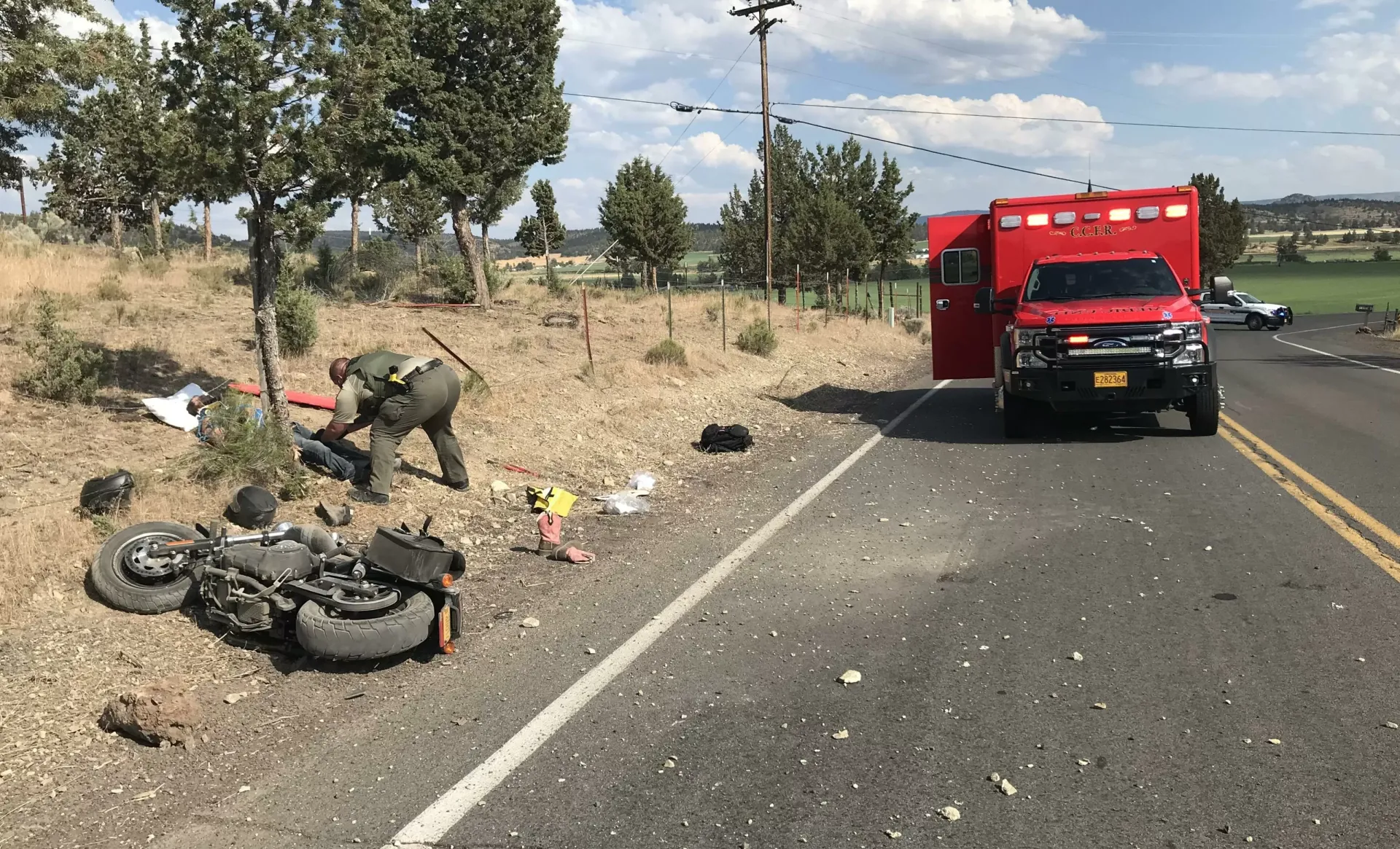
Mistakes start at the scene when riders apologize or explain what happened, even though they weren’t at fault. Anything you say can be twisted to assign you blame. Tell police the facts, swap contact and insurance details with the other driver, and keep comments brief. Avoid apologies or explanations at the scene.
Another error is when someone fails to report the accident because the other driver asks you to settle it privately, or because you feel okay at first. A few days pass, and a sore neck evolves into a condition that requires medical attention, but now you have no record to back up your claim.
Your ability to recover fair compensation depends on what you do right after an accident. Establish a record, steer clear of unwarranted comments, and submit a correct report even if someone tries to dissuade you. Insurance companies won’t protect you, so handle it yourself from the start.
Documenting Evidence at the Scene
You have the best chance to gather evidence in the minutes after a crash. Debris gets cleared, witnesses leave, and memories fade fast, so if you want your insurance claim or legal case to hold up, you need proof.
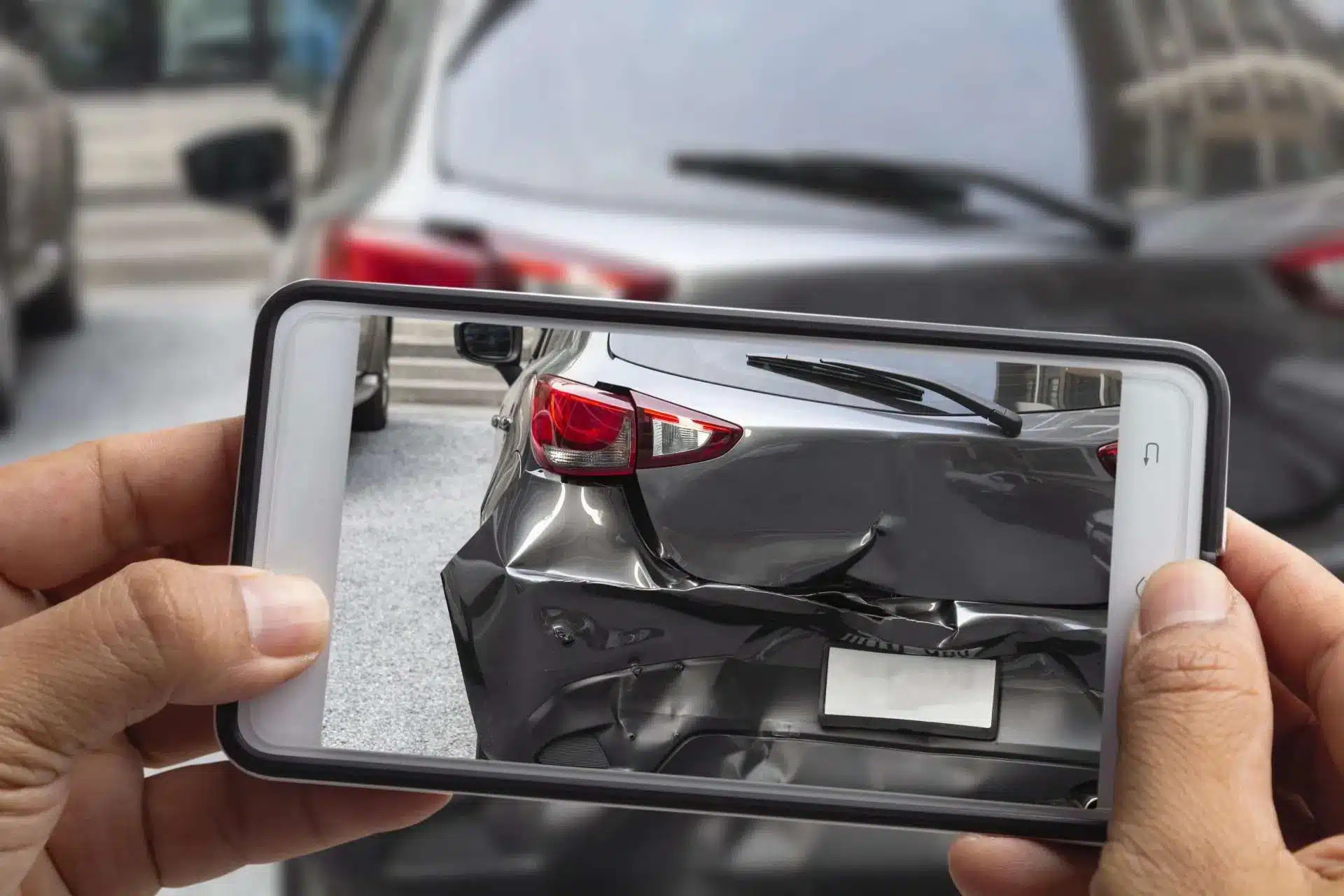
Start with photos: use your phone to photograph your bike from multiple angles, damage to the other vehicle, skid marks, road conditions like potholes or oil, traffic signals, and any visible injuries. Take wide shots of the entire scene, then close-ups of specific damage. If you’re too injured to do this yourself, ask a witness or bystander to help.
 Credit: Shutterstock
Gather information from all parties involved. You will need the other driver’s full name, phone number, insurance company and policy number, license plate number, and driver’s license number. If there are witnesses, collect their full names and contact details before they leave the scene. Witnesses will confirm your account if the other driver later changes theirs.
Contact the police station and ask for the report right away. Officers record the scene, question the people involved, and often write down who they think caused the accident. This report becomes critical evidence when you file a claim or pursue legal action.
If you don’t have documentation, you’ll be arguing your claim against theirs with nothing to back you up. Even when you’re shaken up or hurt, take photos, get names and insurance details, and jot a short note of what happened. Write down key details while they’re fresh:
- Time and date of the accident
- Weather conditions (sunny, overcast, raining, foggy)
- Visibility level at the time
- Traffic conditions (light, moderate, rush hour)
- Traffic signal colors if the crash happened at an intersection
- License plate, make, and model of all vehicles involved
- Any other factors that contributed to the crash
This written record can make a big difference when dealing with insurance companies or legal proceedings. Keep a copy somewhere safe in case the original gets lost or damaged. A brief period of documentation can mean the difference between a fair settlement and an uphill fight with an insurer who says you have no proof. Don’t assume the other driver or their insurance company will be honest about what happened.
Navigating Insurance Companies
Insurance adjusters aren’t on your side, even when they sound friendly and helpful on the phone. Their job is to pay out as little as possible while closing your claim fast. Understanding how they operate can keep you from getting lowballed or having your claim denied altogether.
An insurance adjuster will contact you to obtain a recorded statement about what happened. They make it sound routine, but what you say gets analyzed for inconsistencies to minimize their payout. You might mention feeling fine right after the crash, and suddenly, that becomes proof that your injuries are not serious. Or you say you were running a few minutes late, and now you were rushing and riding recklessly. Provide only essential information and avoid offering details beyond what is necessary.
Adjusters often pressure victims into accepting quick settlements before they know the full extent of their injuries or damage. Adjusters may offer an amount that sounds fair when you are stressed about medical bills piling up, but it frequently undervalues what your case is worth. Once you accept and sign, you typically waive the right to pursue additional compensation for later complications.
 Credit: Freepik
Adjusters will often claim you were in a blind spot or riding too aggressively because bikes are smaller and easier to miss. You’ll be told you should’ve seen it coming or that you weren’t wearing the right gear. This blame-shifting is why comparative fault is critical. Even a small percentage of fault assigned to you cuts your settlement.
Red flags that your claim is not being handled fairly include an adjuster who pushes a quick settlement, won’t break down payout calculations, disregards medical records, or repeatedly changes coverage explanations. When dealing with the other driver’s insurance, they have no duty to protect your interests.
Your own insurance company should act as an ally, but they are still a business trying to limit what they spend. If the adjuster keeps stalling, lowballing, or twisting your words, you need an advocate who represents your interests.
When Professional Legal Help Makes Sense
Not all motorcycle crashes need a lawyer, but if another driver caused serious injury or the insurance company is fighting you on fault, it’s time to get help. When medical bills are stacking up, you’ve missed weeks of work, and the adjuster keeps offering half of what you deserve, you need someone who knows how to push back. An attorney can pull together your medical records and pay stubs, bring in experts to show who caused the crash, and demand a fair number. If the insurer won’t budge, they’ll file a lawsuit.
 Credit: Scott Graham
If your accident happened in the Fort Lauderdale area and involved another driver’s negligence, whether from distracted driving, running a red light, or failure to yield, consulting with a Fort Lauderdale motorcycle accident lawyer can help you understand whether you have a strong case and what compensation you may be entitled to. Most offer free consultations, so you can find out if you have a case and what it’s worth without paying anything up front.
A lawyer gathers the proof, deals with the insurance company, and represents you in court if it goes that far. They know the laws around motorcycle accidents and can catch sources of money you’d probably miss on your own. Most work on contingency and only get paid if you win.
End Note
No one wants to think about what happens after a crash, but knowing your options ahead of time makes all the difference. The steps you take in those first hours can determine whether you get fair compensation or end up covering the bills yourself.
Document everything, watch what you say to adjusters, and don’t let anyone rush you into settling. If another driver caused your accident and the insurer won’t play fair, get someone who knows how to fight back.