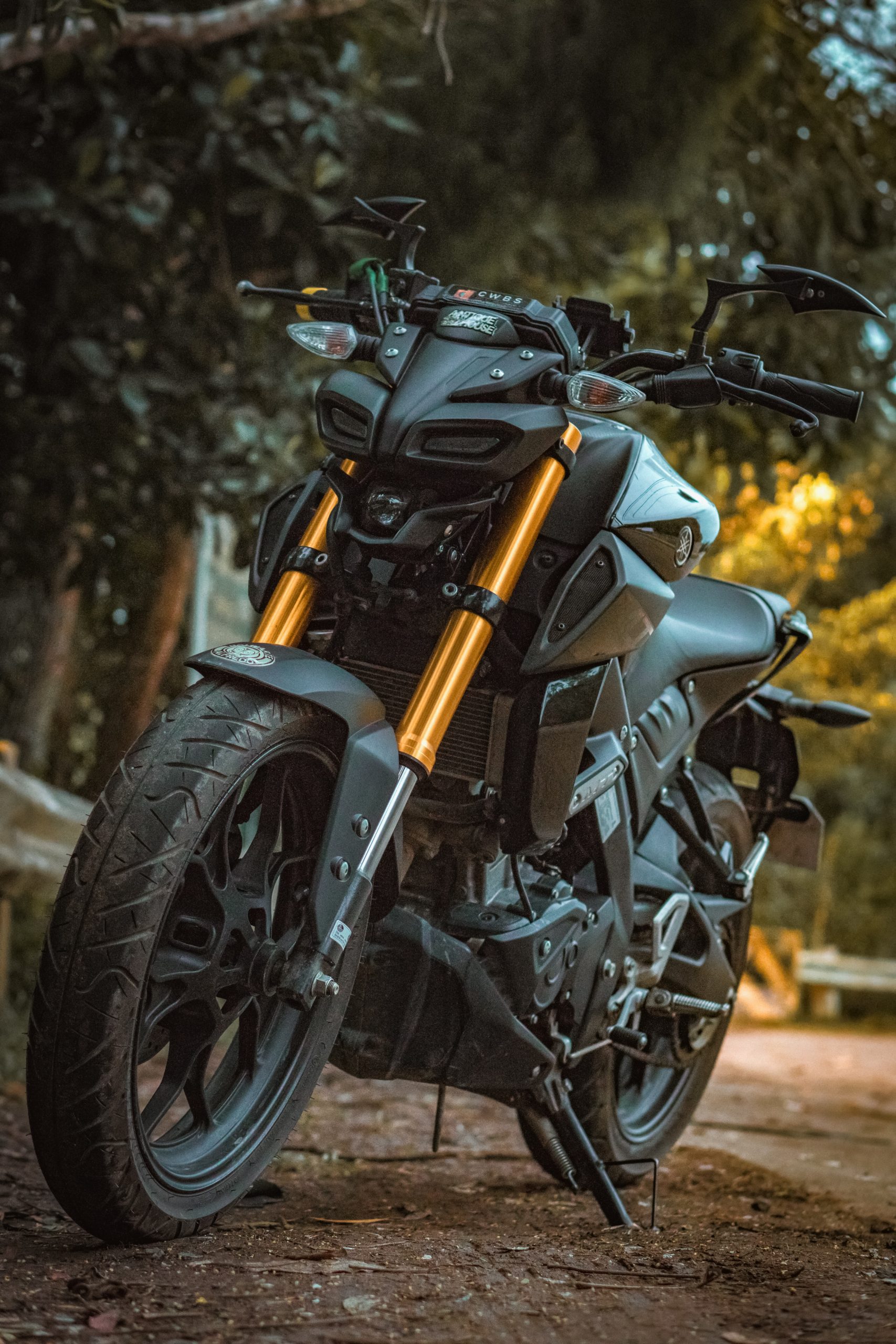


When beginner bike riders shop for their first salvage motorcycle, it’s common to make newbie mistakes like underestimating hidden damage or misunderstanding title branding and legality. There’s also the constant dilemma of budget constraints versus the “dream bike”. For this reason, salvage bikes appear tempting for price-conscious buyers. However, this type of motorcycle isn’t for everyone.
Buying a salvage motorcycle as your first bike is a high-risk move that can quickly turn a “bargain” into a money pit. Beyond the standard beginner mistakes, salvage bikes come with unique traps that can compromise your safety and wallet. We put together this honest guide as a starting point for those in the market for their first salvage motorcycle.
Salvage Motorcycle Titles Explained
 Credit: Hemost
Here’s how the process works. When repair costs exceed 75-90% of the motorcycle’s actual value, insurance companies call it totaled. So, imagine you have a $5,000 bike that gets hit with $3,750 in damage; it will be assigned a salvage title, even if the bike could technically be fixed and ridden again.
The thing is, not all salvage titles happen for the same reasons. Understanding why a bike got salvaged makes all the difference in whether it’s worth your time.
Theft recovery bikes are honestly the best bet if you’re in the market for a salvage bike. Most of the time, the damage is cosmetic, or there are just some missing parts. The bike might have sat in someone’s garage for a few weeks before being recovered. These can be solid deals.
Minor collisions total bikes even when the damage looks worse than it really is. Scratched fairings, bent handlebars, things that push repair estimates high without touching anything structural. If you can handle basic repairs, these are workable.
Major collisions are different. Bent frames, damaged forks, and cracked engine cases create real safety problems. Stay away from these completely.
Flood or water damage is a nightmare you don’t want. Electrical issues will follow you for as long as you own that bike. Walk away.
Fire damage does the same thing. Wiring and electrical systems get compromised in ways that keep showing up. Another hard pass.
Once a bike gets tagged with a salvage title, it’s permanent in most states. That designation sticks forever, cutting resale value by 20-40% right off the bat. And as far as insurance companies go, most will only give you liability coverage on a rebuilt title. No comprehensive, no collision protection.
The Real Costs
That sticker price on the salvage bike is not telling you the whole story. You need to calculate the real total: purchase price, plus repairs, parts, maybe shop labor if you can’t do everything yourself, and all the fees that come with getting it road-legal again.
Below are some examples of what this actually looks like with some popular beginner bikes:
| Bike Model | Clean Title Price | Typical Salvage Title | Estimated Repairs | Total Investment |
| 2018-2023 Kawasaki Ninja 400 | $5,300-$5,900 | $2,500-$3,500 | $800-$2,000 | $3,300-$5,500 |
| 2017-2024 Honda Rebel 500 | $6,000-$7,000 | $3,000-$4,000 | $1,000-$2,500 | $4,000-$6,500 |
| 2017-2023 Suzuki SV650 | $4,500-$6,000 | $2,000-$3,000 | $1,200-$3,000 | $3,200-$6,000 |
Those repair numbers assume you’re doing the work yourself. Shop labor costs $80-$120 per hour, and that changes the equation fast.
Hidden costs pile up too. Specialized tools you don’t own yet, parts sitting on backorder for weeks, state inspection fees to get it re-titled, higher insurance premiums. I’ve watched plenty of beginners end up spending just as much as a clean-title bike would have cost, except now they own something worth 30% less when they try to sell.
Where Beginners Find Salvage Motorcycles
 Credit: MotoShare
Public auctions give you the most transparency compared to private or dealer-only sales. One example is https://sca.auction/locations/oh, which lets you bid without needing a dealer license and provides access to real damage photos, auction details, and supporting documentation. That way, you know what you’re looking at before committing.
Motorcycle forums are another solid resource. Experienced riders hang out there sharing stories about salvage purchases and what worked or didn’t. Interacting with other owners and sharing stories about the dos and don’ts of buying a salvage motorcycle is always useful, especially if it’s from a private seller.
As far as the bike condition goes, watch for red flags. Sellers dodging inspections are your first warning sign. The same goes for vague explanations about the salvage history or missing title paperwork. Flood damage? Fire damage? Those words alone should send you walking. And when someone gets squirrely about sharing the VIN for a basic history check, well, there’s your answer right there.
What to Inspect Before Buying
 Credit: Taverner
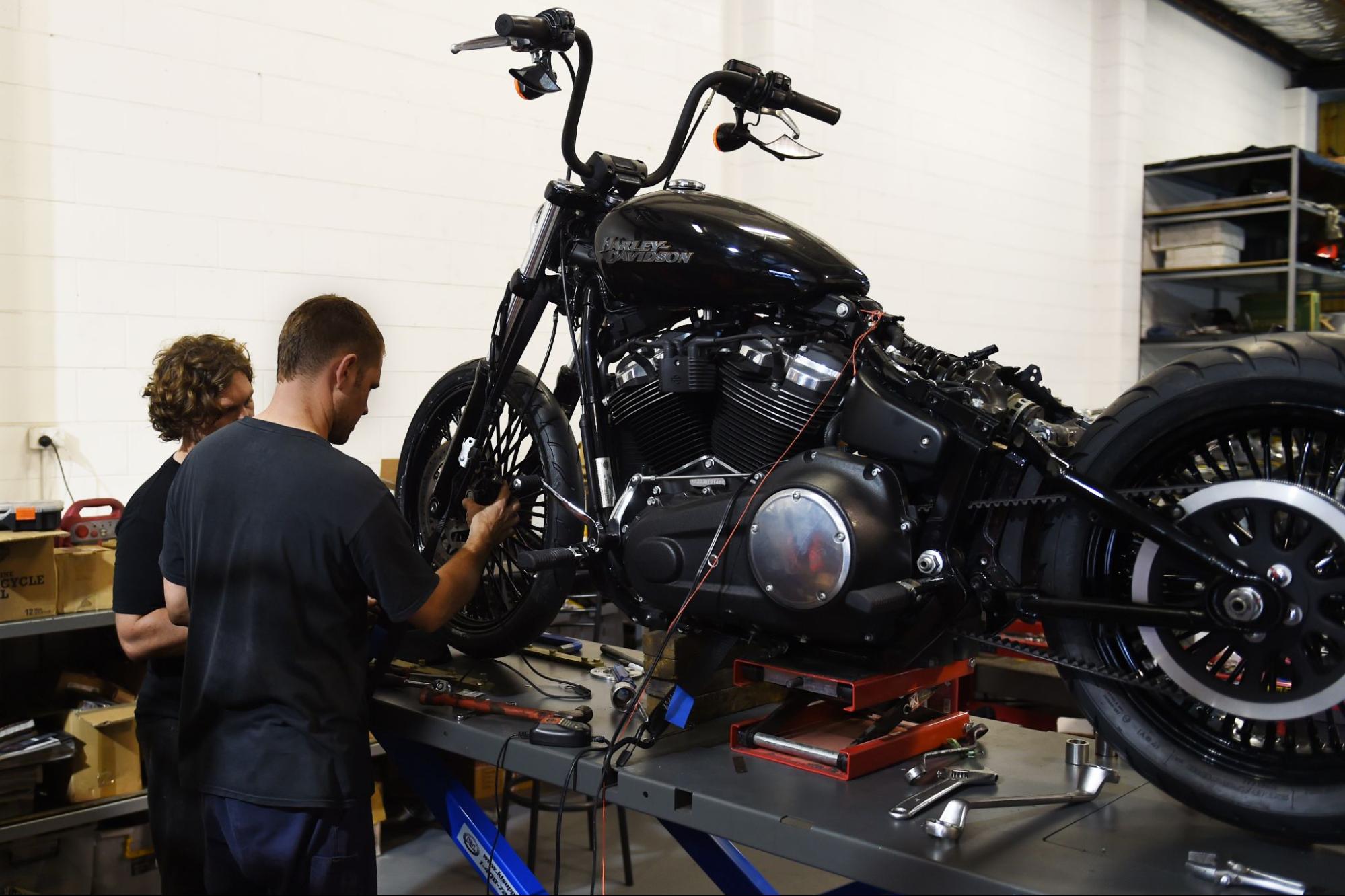
Before you hand over cash, inspection is non-negotiable. Photos can hide a lot. What looks perfect online can be a disaster when you see it in person. Most sellers aren’t trying to scam you but sometimes they just don’t know about hidden damage themselves.
Whether you’re doing the inspection yourself or paying a mechanic, these are the critical areas that need careful examination:
- Frame and VIN: Check that the frame VIN matches the title documentation. Look for cracks, welds, or straightening marks near the steering head and swingarm pivot.
- Forks and triple tree: Sight down the forks to check alignment. Any bending here affects handling and safety.
- Electrical system: Test every switch, light, and gauge. Electrical gremlins from poorly repaired damage will haunt you.
- Engine: Cold start the bike and listen for unusual noises. Check for leaks around the cases, head gasket, and fork seals.
- Fluids: Fresh oil and coolant might hide problems. Dark oil or milky coolant signals bigger issues.
- Test ride: Verify the bike tracks straight, shifts smoothly, and brakes evenly. Any pulling, wobbling, or grinding is a deal-breaker.
Paying a mechanic $75-$150 for a pre-purchase inspection can save you thousands in potential problems. Take it to a shop you trust, or get a second opinion just in case.
Ask for all repair documentation, before and after photos, and parts receipts. Legitimate sellers have this ready to go.
The Beginner Reality Check
 Credit: Mansons
Before buying salvage, you need honest answers to some tough questions.
What’s your mechanical experience really like? If changing oil seems intimidating, rebuilding a salvage bike will overwhelm you fast. Nothing wrong with admitting that.
Do you have a proper workspace and tools? A real garage and the right equipment matter. Without them, costs explode.
Can your budget handle overruns? Plan on spending 50-100% more than the purchase price. If that breaks you, this isn’t the move.
How patient are you with delays? Parts get backordered. Troubleshooting takes days sometimes. Need to ride next week? Buy a clean title.
Can you manage without a bike temporarily? If this is your only transportation and repairs drag on for months, you’re stuck.
Salvage bikes can work if you genuinely like wrenching on stuff, have time to spare, can handle surprise costs popping up, don’t mind the learning process, and have another ride to fall back on.
For most people just starting out though? The math doesn’t really work. If what you want is to learn riding or just need something dependable to get around on, a clean title makes way more sense. Your budget might only stretch to something a bit older or with higher miles, but at least you’ll be out riding instead of turning wrenches every Saturday.
There’s a middle ground here too: clean-title bikes with beat-up plastics. Scratched fairings don’t change how the bike performs at all, but they can knock 15-25% off what you pay.
Success Stories and Cautionary Tales
 Credit: Kawasaki Ninja 1000 Forum
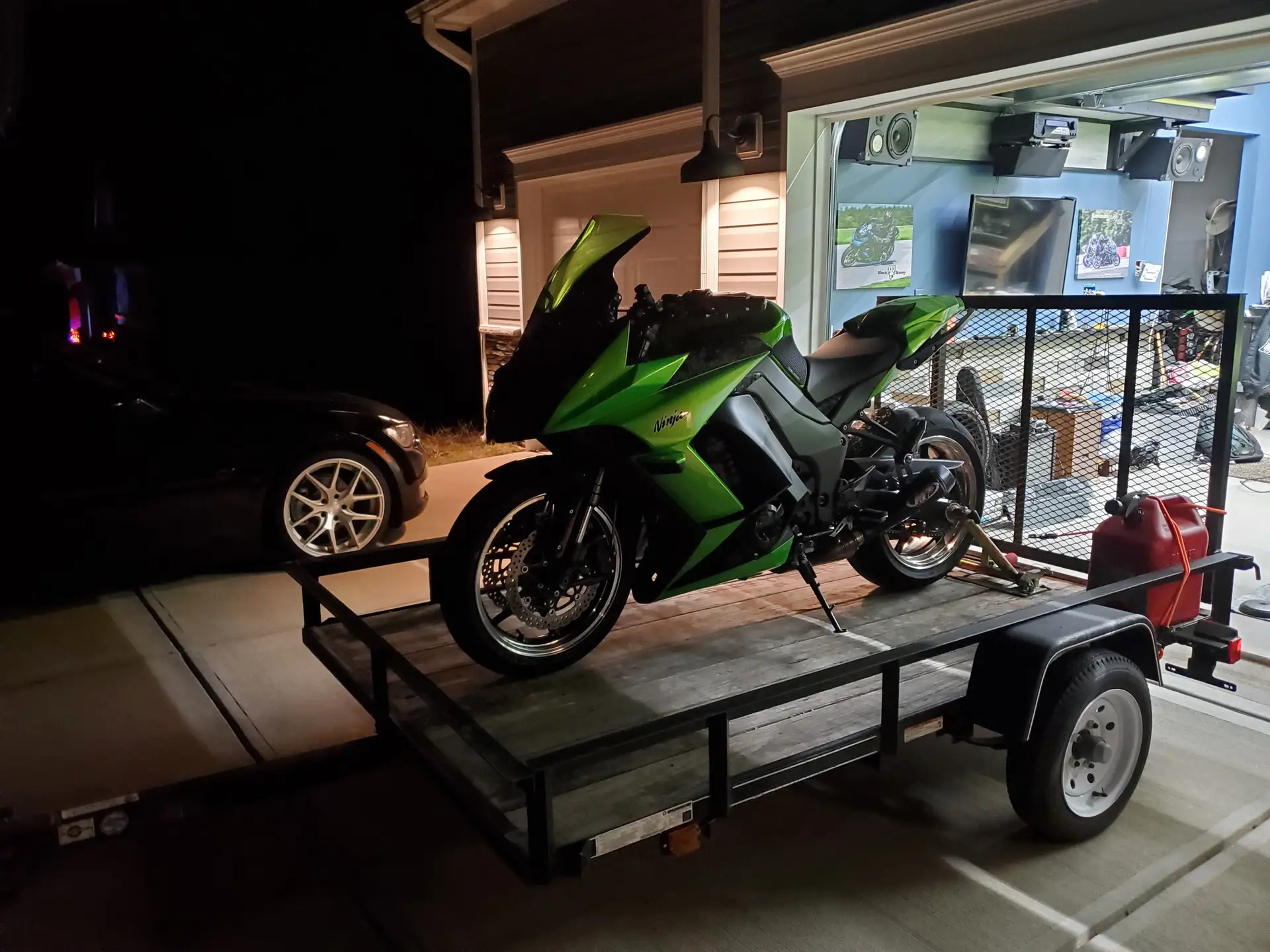
Salvage motorcycles work well in specific scenarios. Theft recovery bikes, such as a Kawasaki Ninja 300 with minor cosmetic damage, often run perfectly. Similarly, bikes salvaged for purely cosmetic damage from parking lot tip-overs can be excellent deals if you verify the frame wasn’t impacted. Mechanically-inclined beginners sometimes treat salvage bikes as learning tools, valuing the rebuild process as much as riding.
The failures paint a different picture. Hidden damage shows up months later – suspension bushings fail, electrical problems emerge from nowhere. Some people spend months diagnosing electrical issues from terrible collision repairs. Two-week projects stretch into six-month ordeals when parts are backordered. Insurance denials leave some beginners with only liability coverage and no protection.
The pattern is clear: success needs honest sellers with complete documentation, real mechanical ability, and realistic expectations about time and cost. Miss any of those and salvage bikes become expensive lessons.
Making the Smart Choice
 Credit: Purpose Built Moto
Salvage bikes really only make sense for a specific type of beginner. You need to actually enjoy wrenching, have a garage and tools already, be okay with projects dragging on, and not panic when costs climb higher than expected. If that sounds like you, then yeah, salvage might teach you a ton.
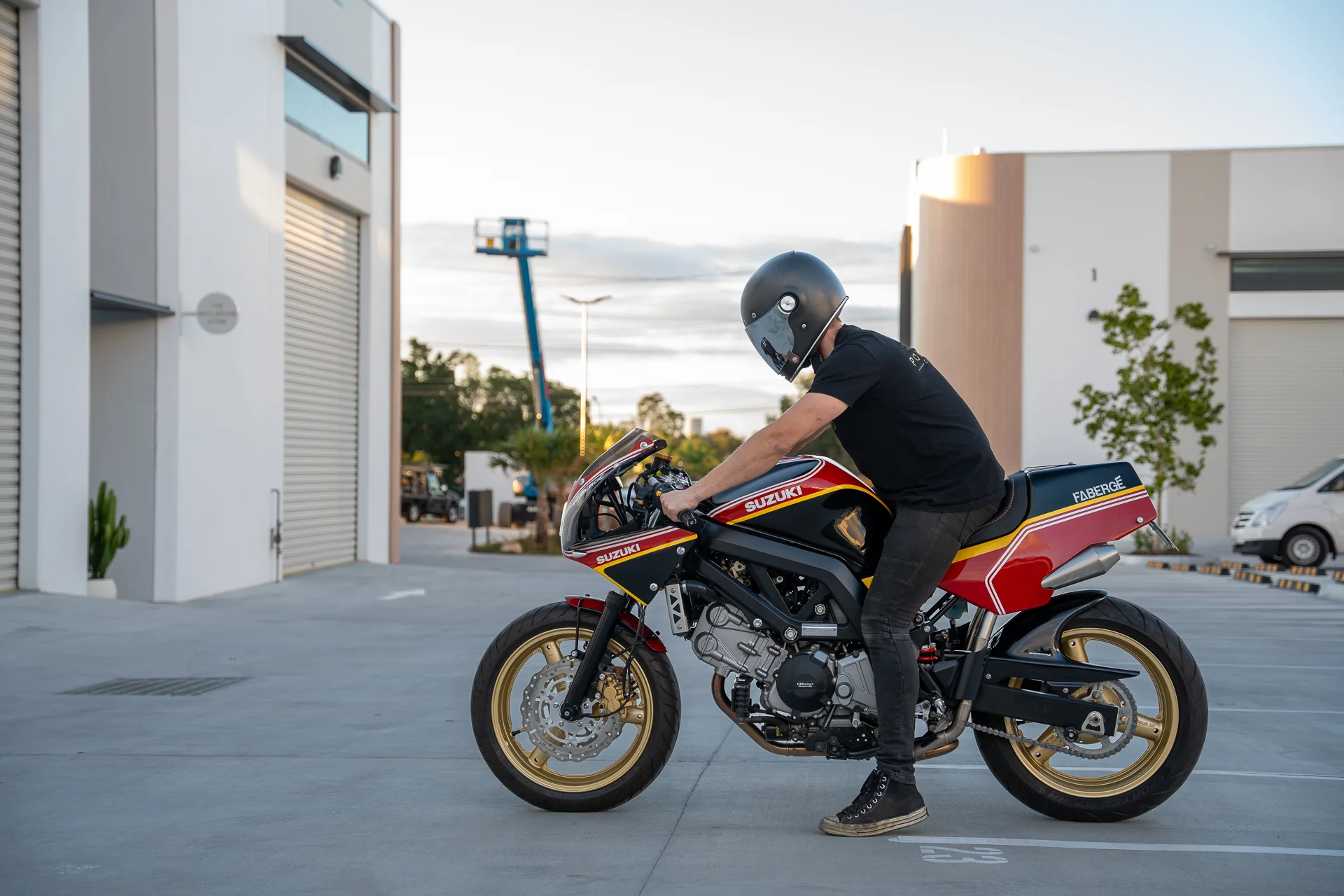
But most people starting out? A clean title just works better. There’s nothing wrong with wanting to ride more than you want to fix things. An older Ninja 400, Rebel 500, or SV650 with a clean title and some miles on the odometer will cost you more at first, but you’ll save money in the long run. Plus, you’ll actually be out riding on weekends, not diagnosing why your turn signals stopped working.
Do your homework no matter which way you go. Check everything twice. Don’t stretch your budget too thin. The motorcycle community has your back here – places like BestBeginnerMotorcycles are packed with people who’ve already been through this exact decision. Pay attention to what worked for them and what didn’t.
Your first bike should make you better at riding and feel good to own. Pick smart and you’ll be carving corners instead of staring at parts scattered across your garage floor. For most people just getting started, that means clean title and focusing on seat time.