

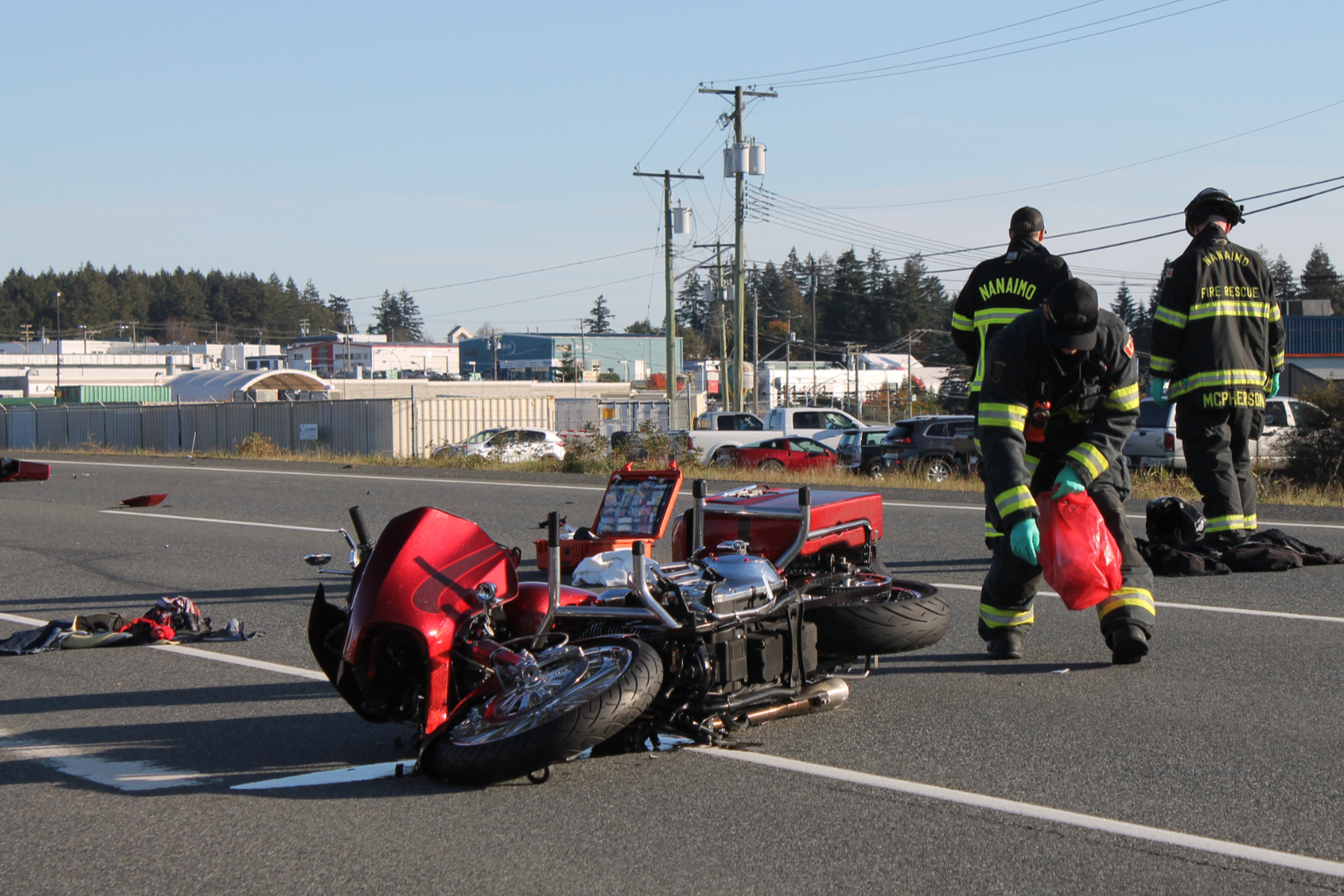
Most riders have thought about the risks of motorcycle riding at some point. Maybe when a car cut you off on the highway and your heart jumped. Maybe after hearing about someone you know going down. You weigh it, you accept it, and you ride anyway because the alternative is not riding, and that’s not really an option. But there’s a difference between accepting that riding carries risk and actually knowing what happens when that risk catches up with you. Not the crash itself, but everything after. The bills, the time, the fights with insurance, the slow realization that the financial hole is deeper than you thought. That’s the part most riders are completely unprepared for.
The Medical Bills Are Just the Beginning
 Credit: Pexels
Motorcycle accidents produce injuries at a different level of severity than most car crashes. When there’s no steel frame around you, no airbags, no crumple zones, your body takes the impact directly. That shows up in the numbers. According to the National Highway Traffic Safety Administration, motorcyclists are about 24 times more likely to die in a crash per mile traveled than passenger car occupants, and the injury rates tell a similar story.
Hospitalizations after serious motorcycle crashes routinely run into the tens of thousands of dollars, and that’s before any surgery, specialist care or rehabilitation. A broken femur, a spinal injury, a traumatic brain injury, these aren’t things that get resolved in a few weeks. Physical therapy alone can stretch on for months or years. Some injuries require multiple surgeries. Prescription costs add up. And through all of it, the bills keep arriving.
The part that really catches people off guard is the long tail of it. An early settlement offer from an insurance company might look reasonable when you’re still in the hospital and stressed about money. But if it doesn’t account for what your care is going to cost six months or two years from now, you’ve signed away your right to come back for the rest. It’s one of the most common and costly mistakes riders make, and if you want a sense of how often it happens, riders who’ve been through it tend to be pretty candid about it. That’s a mistake that’s very hard to undo.
The Income You Lose and May Never Fully Recover
 Credit: Gustavo Frink
Most people factor in the days or weeks they’ll miss from work right after an accident. Fewer think seriously about what happens if the recovery takes longer than expected, or if the injuries leave lasting effects on their ability to do their job at full capacity. For anyone in a physically demanding line of work, that’s not a hypothetical. It’s a very real possibility that needs to be part of any honest accounting of what an accident costs.
The situation is even more complicated for self-employed riders and gig workers. If you’re a freelancer, a contractor or someone whose income doesn’t come with pay stubs and a consistent salary history, quantifying your lost earnings becomes a fight in itself. Insurers will look for every reason to minimize what you’re owed, and an irregular income history gives them material to work with. An experienced attorney knows how to document and argue these losses in a way that actually holds up.
The Personal Cost Nobody Puts a Number On
 Credit: Alexandru Molnar
There’s a category of loss that doesn’t show up on any bill but is very much real and very much compensable under the law. Pain and suffering isn’t just a legal buzzword. It refers to the physical discomfort, the disruption to your daily life, the things you can no longer do the way you used to, and the psychological weight of going through a traumatic experience and a long recovery. Courts and insurers don’t always make it easy to recover these damages, but they exist for a reason.
PTSD and anxiety after serious accidents are more common than most riders expect and significantly underreported. Some riders never fully return to the road. Others get back on the bike but carry a level of fear that wasn’t there before. These aren’t soft complaints. They’re real consequences of real trauma, and they factor into what a fair settlement should look like. The problem is that victims who handle claims on their own often don’t know to pursue them, or don’t know how to make the case effectively.
Why Riders Get Lowballed More Than Car Accident Victims
 Credit: Pexels
This is the part that doesn’t get talked about enough. There is a bias against motorcyclists that runs through the insurance industry and honestly, through a lot of public perception too. The assumption, often unstated, is that riders are risk-takers, that they were probably going too fast or doing something they shouldn’t have been. It doesn’t matter if that assumption has any basis in your specific situation. It affects how adjusters approach your claim from the first phone call.
Insurers will look at everything they can use: your speed before the crash, whether you were filtering through traffic, what gear you were wearing, whether you had any prior incidents. Things that would barely come up in a car accident claim become ammunition in a motorcycle case. If you’re not familiar with some of the situations where riders are most vulnerable on the road, it’s worth understanding them, because insurers certainly do, and they’ll use that knowledge to shift blame wherever they can.
That’s exactly the kind of thing Parker Waichman law firm deals with regularly. They understand how these cases get built against riders and how to push back on the narrative that gets constructed around a claim. They handle all communication with the insurer directly, which means no recorded statements, no pressure tactics and no signing anything before you fully understand what you’re agreeing to. And like most personal injury firms, they work on contingency, so there’s no upfront cost to find out what your case is actually worth.
The Real Number Is Almost Always Higher Than You Think
 Credit: Adobe
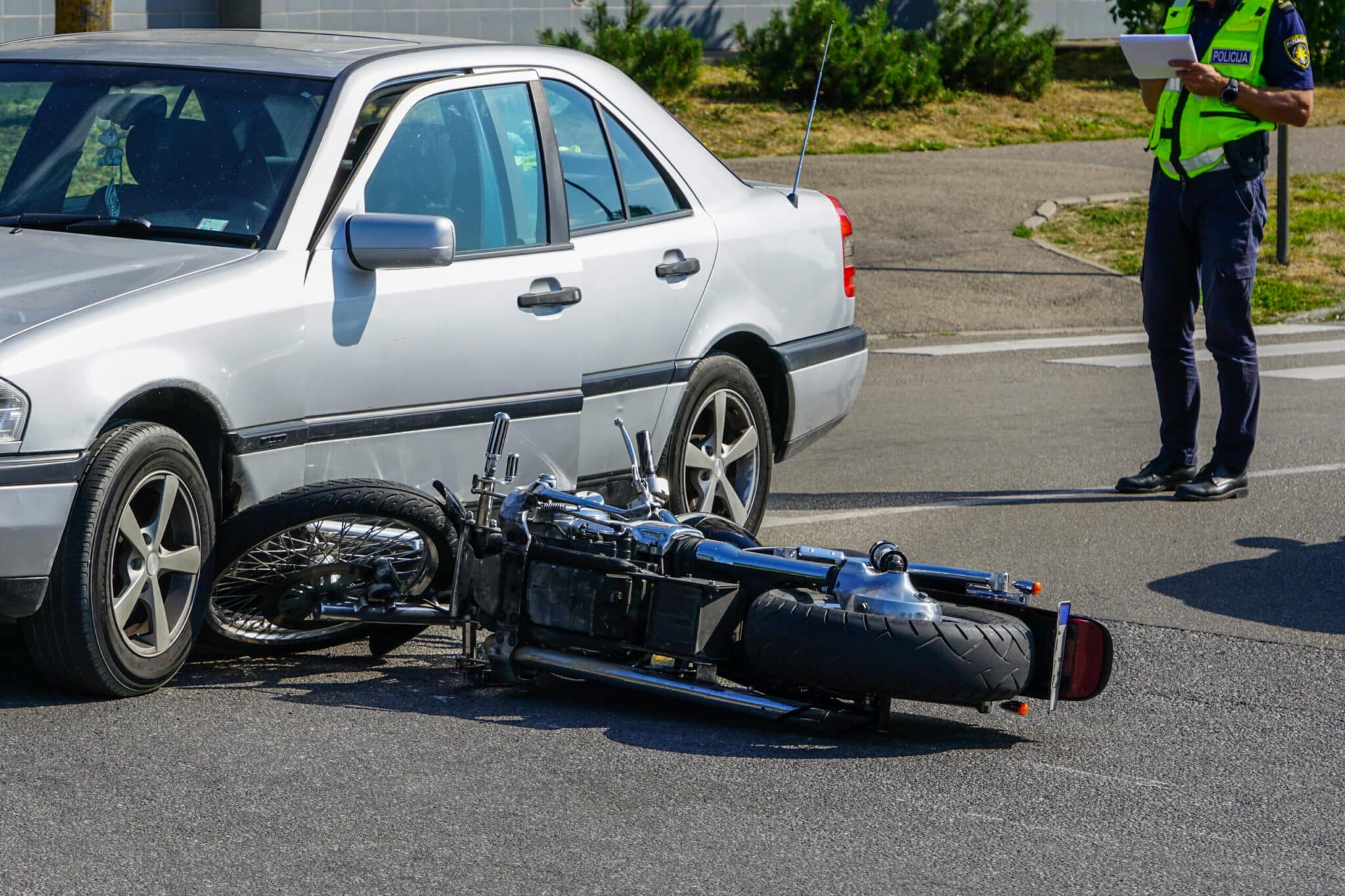
Here’s the honest takeaway: most riders who’ve been through a serious accident will tell you they had no idea what it was actually going to cost them until they were in the middle of it. The medical bills, the lost income, the property losses and the personal toll all compound in ways that are hard to anticipate from the outside. And the decisions made in those first few days, when everything is chaotic and the pressure to just get things settled is high, have consequences that last a lot longer than the recovery itself.
You don’t have to have everything figured out before you talk to an attorney. Most offer free consultations, and even a single conversation can give you a much clearer picture of where you stand and what a fair outcome actually looks like for your situation. The cost of not making that call is almost always higher than the cost of making it.